Introduction
French onion soup is a quintessential dish that embodies comfort. Its rich, savory flavors and warm, soothing broth make it a favorite among home cooks and restaurant-goers alike. The balance of sweet caramelized onions with savory broth creates a symphony of tastes that warms the soul.
This beloved French classic traces its roots back to ancient Roman times, yet it has evolved into the recipe we cherish today. Traditionally served with crusty bread and melted cheese, French onion soup is both a starter and a main course that can bring joy to any dinner table.
The secret to a great French onion soup lies not only in the ingredients but also in the patience taken during the caramelization of the onions. By allowing the onions to cook slowly, they develop a deep, complex sweetness that elevates the dish.
Ingredients
- 6 large yellow onions, thinly sliced
Yellow onions are preferred for their sweetness and depth of flavor. As they caramelize, they develop a rich brown color and a complex sweetness essential for the soup. - 4 tablespoons unsalted butter
Butter adds richness and ensures a smooth texture while enhancing the flavor profile of the onion. It helps in caramelizing the onions perfectly, preventing them from sticking. - 1 tablespoon olive oil
Olive oil complements the butter, adding a slightly fruity note. It helps to lower the burning point of butter, making the caramelization process more efficient. - 6 cups beef stock
Beef stock is crucial for a robust flavor base, providing a hearty, savory depth that complements the sweetness of the onions. A homemade stock will always yield better results. - 1 cup dry white wine
Wine adds acidity and a layer of complexity to the flavor, cutting through the richness of the soup. It also enhances the caramelized taste of the onions. - 1 teaspoon fresh thyme, chopped
Thyme brings an earthy herbal note that balances the sweetness of the onions. Fresh herbs add vibrancy and a touch of freshness. - Salt and pepper to taste
Seasoning is essential to enhance the soup's natural flavors. Taste as you go to ensure a well-balanced final product. - 6 slices of baguette, toasted
Toasted baguette serves as a vessel for the toppings and adds a textural contrast. It absorbs the broth without becoming too soggy. - 1 ½ cups Gruyère cheese, grated
Gruyère is known for its excellent melting qualities and nutty flavor. Layering it on top of the soup creates a creamy, gooey topping that is satisfying.
Directions & Preparation
Step 1: Melt butter and oil in a large pot over medium heat.
Starting with melted butter and olive oil provides the perfect fat base for caramelizing onions. The medium heat allows onions to cook evenly without burning, promoting the Maillard reaction which creates complex flavors.
Step 2: Add sliced onions, and stir to coat in fat.
Coating the onions in fat ensures that they begin to soften and caramelize uniformly. Stirring helps avoid sticking, while initiating the release of sugars within the onions.
Step 3: Cook onions, stirring occasionally, for 30–40 minutes until golden brown and caramelized.
Patience is key during this step. As the onions cook, keep an eye on the heat to ensure they don’t burn; they should gradually turn a deep, golden brown, developing their flavor through this slow caramelization.
Step 4: Add salt, pepper, and thyme to the caramelized onions.
At this stage, seasoning the onions enhances their inherent sweetness and adds depth. Thyme’s aromatic profile provides a layer of complexity to compliment the caramelized flavor.
Step 5: Pour in the white wine to deglaze the pot.
Deglazing with wine removes flavorful bits stuck at the bottom of the pot, enriching your soup. Allow the wine to simmer and reduce by half, concentrating its flavor.
Step 6: Add the beef stock, bring to a simmer, and let it cook for 30 minutes.
Simmering allows the flavors to meld harmoniously. A longer cooking time deepens the broth's complexity, enhancing the overall taste of the soup.
Step 7: While the broth simmers, prepare the baguette slices.
Toasting the baguette adds an important texture contrast to the soup. Ensure they are golden brown for optimal flavor and a sturdy base to hold the cheese.
Step 8: Once the soup is done, taste and adjust seasoning.
The final seasoning check is crucial for achieving the perfect flavor balance. Adjusting salt and pepper ensures the soup has well-rounded flavor.
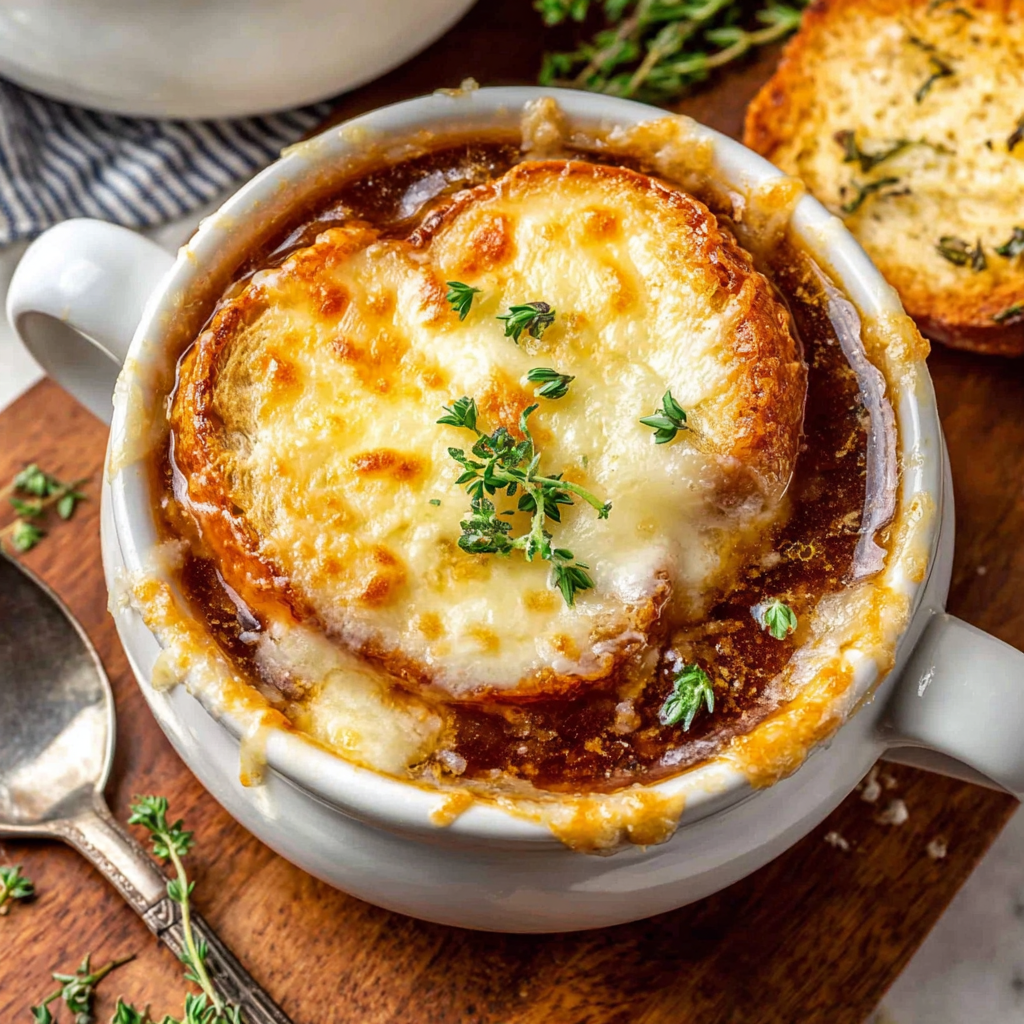
Step 9: Ladle the soup into oven-safe bowls, top with toast and Gruyère cheese.
Using individual bowls allows for even cheese melting and presentation. Ensure the toast is sufficiently covered in cheese, as this is vital for achieving the gooey top.
Step 10: Broil on high until the cheese is bubbly and golden brown.
Broiling for a few minutes allows the cheese to melt and develop a beautiful golden crust. This step adds a final layer of flavor and texture, creating an inviting presentation.

The Importance of Caramelization
Caramelizing the onions is a fundamental step that defines the flavor profile of French onion soup. The slow cooking process transforms the sharpness of the onions into a sweet, rich depth that is essential for the dish. The more patience you have here, the better; a well-caramelized onion will lend an unparalleled sweetness that elevates the overall flavor.
Choosing the Right Broth
The choice of broth can dramatically alter the taste of your soup. For French onion soup, a high-quality beef stock is recommended for its depth and richness. If using store-bought, opt for low sodium to control seasoning better; a homemade stock, however, will provide an authenticity and nuanced flavor that is often unmatched.
Cheese: A Decadent Crown
Topping your French onion soup with Gruyère not only enhances the dish but adds a luxurious richness. Gruyère melts beautifully, forming a golden-brown crust that contrasts with the silky broth beneath. While others may choose Swiss cheese, Gruyère remains a traditional favorite for its complex flavor and superior melting qualities.
FAQs
What if my soup is too salty?
If your soup is too salty, you can add water or low-sodium broth to dilute it. Adding a raw potato can also absorb excess salt.
How can I prevent the onions from burning?
Keep the heat at medium and stir the onions often, especially as they start to brown. A bit of patience is required to achieve perfect caramelization.
Can I use a different type of cheese?
Absolutely! While Gruyère is traditional, you can use Swiss or mozzarella cheese if you prefer. Just ensure it melts well.
How can I thicken the soup if it's too thin?
If your soup is too thin, you can let it simmer uncovered to reduce it. Alternatively, mix a tablespoon of cornstarch with water and stir it in while the soup is hot.
What can I do if the soup lacks depth of flavor?
If your soup tastes bland, consider adding a splash more wine during cooking or a sprinkle of Worcestershire sauce for umami.
Is there a vegetarian option for this recipe?
Yes, substitute beef stock with vegetable stock and use miso for an umami boost. Nutritional yeast can also provide a cheesy flavor.
Conclusion
Creating a bowl of classic French onion soup at home is a delightful experience that rewards with every spoonful. The intricate balance of flavors derived from caramelized onions, rich broth, and melting cheese creates pure culinary magic.
Through patience and attention to detail, you can elevate this dish to ensure it becomes a staple in your home, celebrated and cherished by family and friends alike.
Recipe Card
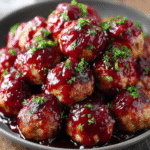
Festive Quick Christmas Cranberry Meatballs
Ingredients
- 1 pound ground beef
- 1 cup finely chopped onion
- 1/2 cup breadcrumbs
- 1/4 cup fresh parsley chopped
- 1 large egg
- 1 cup cranberry sauce
- 1 tablespoon soy sauce
- 1 teaspoon garlic powder
- 1/2 teaspoon black pepper
Instructions
- Preheat your oven to 375°F (190°C).
- In a large bowl, combine ground beef, onion, breadcrumbs, parsley, egg, garlic powder, soy sauce, black pepper, and a pinch of salt.
- Form the mixture into 1-inch meatballs and place them on a baking sheet lined with parchment paper.
- Bake the meatballs for 20-25 minutes or until they are cooked through.
- In a separate saucepan, heat the cranberry sauce over medium heat until warm.
- Once the meatballs are baked, add them to the warm cranberry sauce and stir gently to coat.
- Serve the meatballs warm, garnished with additional parsley if desired.
Notes
Additional serving suggestions: pair with a crisp salad, garlic bread, or roasted seasonal vegetables for balance.
For make-ahead, prep components separately and assemble just before heating to preserve texture.
Taste and adjust with acid (lemon/vinegar) and salt right at the end to wake up flavors.