Introduction
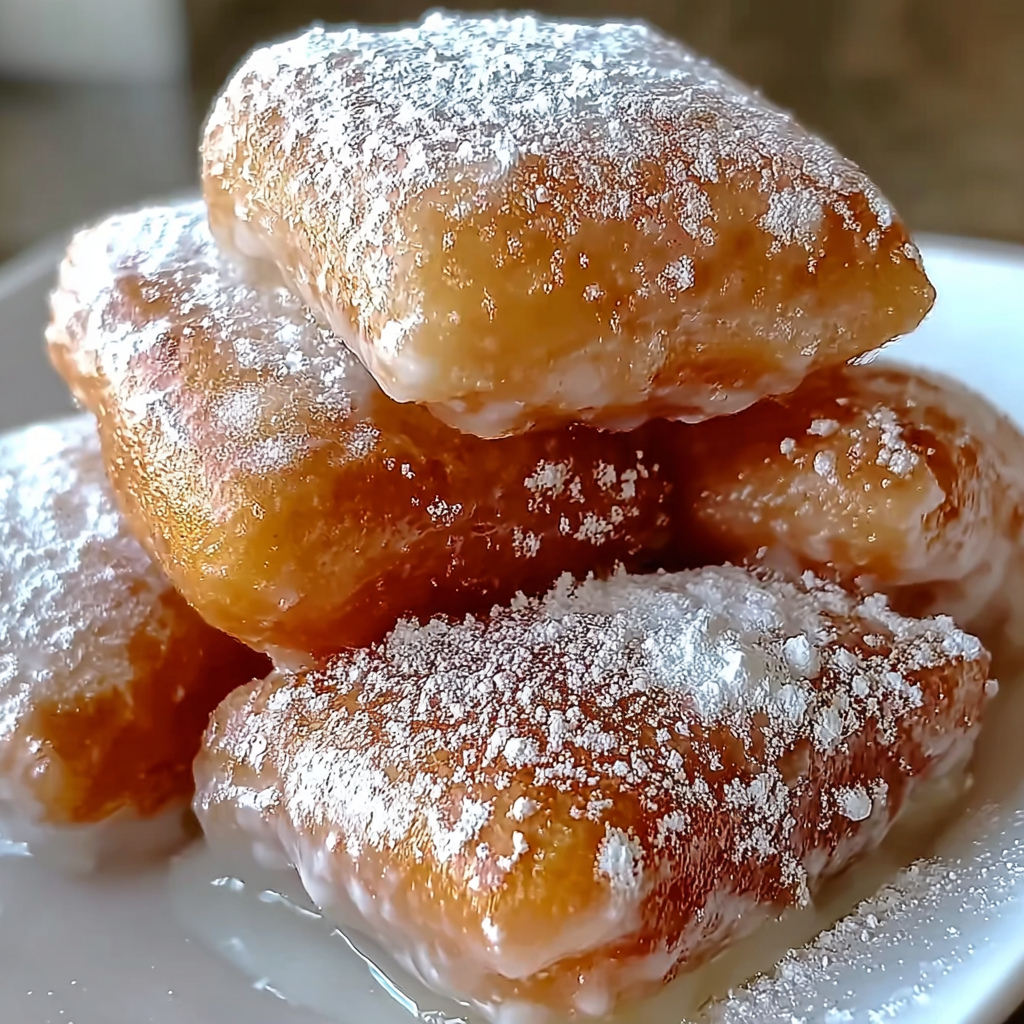
When the craving for something sweet strikes, few indulgences can rival the charm of freshly made buttermilk beignets. These delicate, fluffy pastries are associated with the vibrant culture of New Orleans but can easily find their place in any kitchen around the world. Perfect for breakfast, dessert, or a sweet snack, beignets provide a delightful experience that engages all your senses.
Buttermilk beignets are not just about taste; they evoke a sense of nostalgia and warmth with every bite. The exterior is lightly crisp, while the inside remains soft and pillowy, making them an irresistible treat dusted with powdered sugar. With this recipe, you’ll master a skill that brings both joy and satisfaction, celebrating the beauty of homemade pastries.
Whether you’re planning a special brunch or simply want to elevate your weekend treats, these heavenly beignets will impress your family and friends. So, roll up your sleeves, and let's dive into the world of fluffy beignets that promise to transport you straight to the bustling streets of New Orleans!
Ingredients
- 2 cups all-purpose flour
All-purpose flour is the foundation of beignets, providing the necessary structure and texture. Its moderate protein content creates a light and fluffy pastry while allowing the dough to rise beautifully. - 1/4 cup granulated sugar
Sugar not only adds sweetness but also aids in browning the beignets during frying. It enhances the flavor profile and balances the richness of the dough. - 2 tsp baking powder
Baking powder is a crucial leavening agent that helps the beignets rise as they cook. It contributes to their light and airy texture, making them perfectly pillowy. - 1/2 tsp salt
Salt elevates the flavor of the beignets, enhancing the sweetness and acting as a essential counterpoint. It rounds out the taste and balances the sugar in the dough. - 1/2 cup buttermilk
Buttermilk is key for moisture and tenderness in the dough. It adds a subtle tang that compliments the sweetness of the beignets, helping achieve a soft, melt-in-your-mouth texture. - 1 large egg
An egg enriches the dough, adding richness and acting as a binder to hold all ingredients together. It also contributes to a slightly firmer structure for the beignets. - 1 tsp vanilla extract
Vanilla extract infuses the beignets with a warm, inviting aroma that enhances their overall flavor profile. It adds depth and makes each bite even more enjoyable. - Vegetable oil for frying
The choice of oil is critical; vegetable oil provides a high smoke point ideal for frying. It ensures an even heat distribution, allowing the beignets to cook evenly and develop a lovely golden crust. - Powdered sugar for dusting
Powdered sugar not only decorates the beignets but also adds a sweet contrast to their texture. It creates a pleasant visual appeal and makes for an inviting presentation.
Directions & Preparation
Step 1: Mix the dry ingredients
In a mixing bowl, combine the flour, granulated sugar, baking powder, and salt. This step is crucial because it evenly distributes the leavening agents and ensures consistent results. Make sure to whisk them together until well blended to avoid clumps of baking powder that could cause uneven rising.
Step 2: Combine the wet ingredients
In another bowl, whisk together the buttermilk, egg, and vanilla extract until smooth. This mixture adds moisture and richness to the dry ingredients. The buttermilk's acidity helps activate the baking powder, contributing to the lightness of the beignets, so be thorough in mixing to ensure the egg is fully integrated.
Step 3: Incorporate wet and dry mixtures
Gradually add the wet mixture to the dry ingredients, stirring gently with a spatula until just combined. It’s vital not to overmix at this stage, as excessive gluten development can lead to denser beignets. Your goal is a slightly lumpy dough for the perfect tender texture—so embrace imperfections here!
Step 4: Chill the dough
Cover the mixing bowl with plastic wrap and refrigerate the dough for at least 30 minutes. Chilling allows the gluten to relax, which leads to a softer pastry and makes it easier to handle when you roll and cut your beignets. This step also enhances the beignets' flavor as the ingredients meld together.
Step 5: Prepare the frying oil
While the dough chills, fill a heavy-bottomed pot with vegetable oil to a depth of about 2-3 inches, and heat it to 350°F (175°C). Proper oil temperature is crucial; if too hot, the beignets will burn, and if too cool, they will absorb excess oil. Use a thermometer for accuracy, or test with a small piece of dough to ensure the oil is ready.
Step 6: Shape the dough
On a lightly floured surface, turn out the chilled dough and roll it to about 1/2 inch thick. Then, cut it into squares or rectangles, about 2-3 inches in size. Keeping the shapes consistent ensures even cooking. Dusting with flour helps prevent sticking, which is important for achieving that perfect, airy beignet shape.
Step 7: Fry the beignets
Gently drop the cut beignet dough into the hot oil, frying a few at a time to avoid overcrowding. Fry for about 2-3 minutes on each side until they turn golden brown. Monitor them closely; they're delicate, and a quick turn can prevent burning. Once golden, remove them with a slotted spoon and drain on paper towels.
Step 8: Dust with powdered sugar
While the beignets are still warm, generously dust them with powdered sugar. This step not only enhances their sweetness but also gives them that characteristic look. Serve immediately for the best taste and freshest texture; the warm sugar coating will slightly melt into the beignets, creating a delightful crust.

The Importance of Buttermilk
Buttermilk is a backbone ingredient in this beignet recipe. Its acidity interacts with the baking powder, promoting a desirable rise and tender crumb. This tangy dairy product also helps to create that rich flavor profile so beloved in pastries. Substituting with regular milk won't achieve the same depth, so staying true to buttermilk is key for authentic taste.
Perfecting Your Frying Technique
Frying beignets is an art in itself; the temperature must be consistent for optimal results. Too high and they will scorch, too low and they will become greasy. This step is where a candy or deep-fry thermometer becomes your best friend. Ensuring the oil remains at 350°F (175°C) allows the beignets to puff up beautifully and achieve that coveted golden color.
Serving Suggestions and Pairings
These beignets shine on their own, but consider pairing them with a rich chocolate sauce or a berry compote for a delightful twist. A side of coffee or chicory adds to the experience, reminiscent of a New Orleans café. For a sophisticated touch, serve them with whipped cream or a dusting of cinnamon for additional layers of flavor in every bite.
FAQs
What can I do if my beignets turn out too dense?
If your beignets are dense, it's likely due to overmixing the dough or an inaccurate amount of leavening agents. Make sure to blend until just combined for fluffiness. Check your baking powder’s freshness, as expired leavening agents can fail to provide the necessary rise.
Can I use whole wheat flour instead of all-purpose flour?
Using whole wheat flour will change the texture of the beignets, making them denser and less airy. If you're looking for a healthier option, consider substituting half of the all-purpose flour with whole wheat flour to retain some lightness.
Why are my beignets not puffing up when frying?
If the beignets are not puffing up, it's possible that the oil temperature is too low or the dough has been overmixed. Ensure the oil is hot enough (around 350°F) and remember to mix the dough gently for optimal puffy results.
How can I keep my beignets from getting too oily?
To prevent oily beignets, make sure the oil is sufficiently hot during frying. If they absorb oil, they may not be cooked properly. After frying, drain them on paper towels to remove excess oil.
What if my dough is too sticky?
If the dough is too sticky to handle, sprinkle in a small amount of extra flour while mixing. Be cautious not to overdo it, as adding too much flour can lead to tough beignets. A light dusting on your work surface will help when rolling out the dough.
Can I flavor my beignets with spices or extracts?
Absolutely! You can incorporate spices like cinnamon or nutmeg into the dry mixture or add extracts like almond for a unique flavor. Just be sure to adjust the quantities so they complement instead of overpowering the beignet’s natural flavor.
What should I do if my beignets look undercooked?
If your beignets appear undercooked, they may need a minute or two more frying time. However, to prevent burning, ensure your oil temperature is correct before frying. If need be, you can always lightly re-fry them for a short time until they reach that perfect golden brown.
Conclusion
Making heavenly buttermilk beignets at home might seem like a daunting task, but with a bit of patience and practice, you’ll find the rhythm of this delightful recipe. The modest ingredients transform into an extraordinary treat that can brighten any day.
Whether enjoyed fresh out of the fryer or shared during a cozy gathering, these beignets are bound to create unforgettable moments filled with sweetness. So gather your loved ones, savor every bite, and relish in the satisfaction of creating something truly special in your own kitchen.
Recipe Card
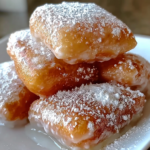
Irresistible Heavenly Buttermilk Beignets Recipe
Ingredients
- 2 cups all-purpose flour
- 1/4 cup granulated sugar
- 2 tsp baking powder
- 1/2 tsp salt
- 1/2 cup buttermilk
- 1 large egg
- 1 tsp vanilla extract
- Vegetable oil for frying
- Powdered sugar for dusting
Instructions
- Mix the dry ingredients
- Combine the wet ingredients
- Incorporate wet and dry mixtures
- Chill the dough
- Prepare the frying oil
- Shape the dough
- Fry the beignets
- Dust with powdered sugar
Notes
Additional serving suggestions: pair with a crisp salad, garlic bread, or roasted seasonal vegetables for balance.
For make-ahead, prep components separately and assemble just before heating to preserve texture.
Taste and adjust with acid (lemon/vinegar) and salt right at the end to wake up flavors.