Introduction
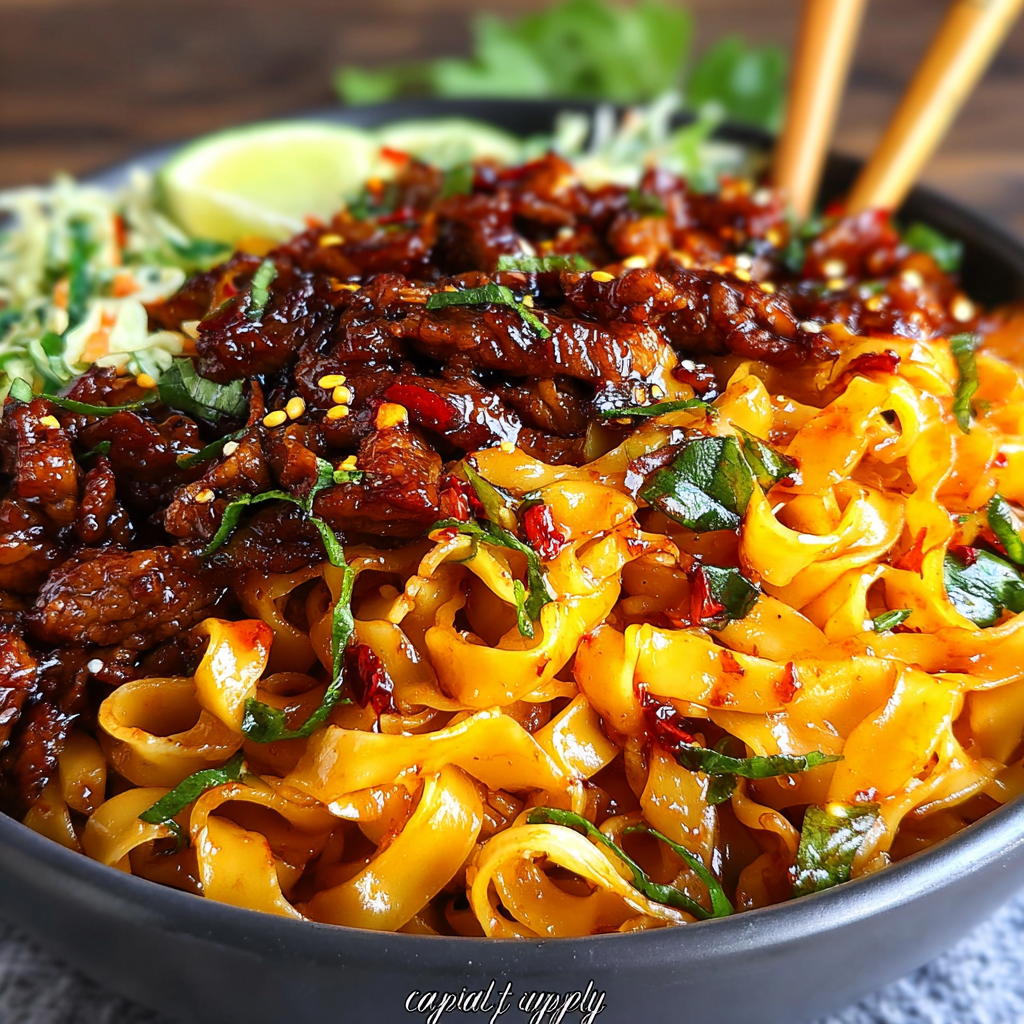
Noodle bowls have gained immense popularity for their versatility and a delightful blend of flavors and textures. This noodle bowl recipe featuring beef and a crisp cabbage slaw strikes a perfect balance between hearty and refreshing, making it suitable for any occasion.
Cooking at home can be an exciting adventure, and creating this noodle bowl allows you to explore a bouquet of flavors with simple ingredients. The combination of marinated beef, tender noodles, and a crunchy slaw delivers a meal that is both satisfying and nourishing.
Whether you are preparing a weeknight dinner or impressing guests at a gathering, this dish captivates with its color and taste. Let's dive into the ingredients and how to bring this noodle bowl to life.
Ingredients
- 8 oz rice noodles
Rice noodles provide a light and chewy texture that serves as the base of the bowl. They absorb the surrounding flavors, allowing them to harmonize beautifully with the beef and slaw. - 1 lb beef sirloin, thinly sliced
Beef sirloin is tender and full of flavor, making it an excellent choice for quick cooking. When marinated and seared, it adds a savory richness to the noodle bowl. - 2 cups green cabbage, finely shredded
Shredded cabbage adds a refreshing crunch and beautiful color. It provides essential vitamins while balancing the richness of the beef with its crispness. - 1 cup carrots, julienned
Carrots bring both sweetness and a vibrant hue to the bowl. Their crisp texture complements the cabbage and adds a subtle sweetness that enhances the overall flavor. - 1/4 cup soy sauce
Soy sauce adds depth and umami flavor to the beef marinade. It enhances the meat's savory qualities while contributing to the dish's overall taste. - 2 tbsp sesame oil
Sesame oil provides a rich, nutty flavor and aroma, tying together the ingredients in the bowl. It is also a key component of the marinade, giving the beef an extra layer of flavor. - 1 tbsp rice vinegar
Rice vinegar adds a tangy brightness to the dish. It enhances the freshness of the slaw while balancing the other flavors, bringing a hint of acidity that perks up the palate. - 2 cloves garlic, minced
Garlic provides aromatic depth and a hint of pungency, enhancing the marinated beef's flavor and overall aroma of the bowl. - 1 tbsp ginger, minced
Ginger adds a zesty kick to the dish, brightening the flavors while complementing the beef and vegetables with its warm spiciness. - 2 green onions, sliced
Sliced green onions not only provide a burst of color but also a subtle, mild onion flavor and a crunchy texture that enhances the dish's freshness.
Directions & Preparation
Step 1: Prepare the noodles.
Start by cooking the rice noodles as per package instructions. Typically, they should be soaked in hot water for about 8-10 minutes until tender, then drained. This crucial step ensures that the noodles have the perfect texture to hold the flavors of the beef and slaw when combined.
Step 2: Marinate the beef.
In a mixing bowl, combine soy sauce, sesame oil, rice vinegar, minced garlic, and ginger. Add the thinly sliced beef and let it marinate for at least 30 minutes. This step is vital as it infuses the beef with rich flavors, resulting in succulent pieces that are deeply satisfying.
Step 3: Make the slaw.
In another bowl, mix the shredded cabbage and julienned carrots. Drizzle with sesame oil and rice vinegar, then toss to combine. The slaw should sit for at least 10 minutes to soften slightly and allow the flavors to meld. This adds a refreshing element to your noodle bowl.
Step 4: Sear the beef.
Heat a skillet or wok over medium-high heat, then add a splash of sesame oil. Cook the marinated beef for about 3-4 minutes until browned and cooked through. This step is key to achieving that deep, caramelized flavor while keeping the beef tender.
Step 5: Combine noodles and beef.
Add the cooked noodles to the skillet with the beef, tossing everything to combine. If the mixture seems dry, you can add a little reserved marinade or water. This step marries the noodles with the beef, making sure every bite is infused with delicious flavors.
Step 6: Assemble the noodle bowl.
Divide the noodle and beef mixture into bowls, then top each with the cabbage slaw and garnish with sliced green onions. This final presentation is essential, as it enhances visual appeal and adds a fresh crunch to the dish.

Secrets to Marinating Beef for Maximum Flavor
The key to a truly delightful beef noodle bowl lies in the marination process. When you allow beef to soak in a mixture of soy sauce, sesame oil, and aromatics, it not only infuses the meat with flavor but also tenderizes it. Aim for at least 30 minutes of marinating time, but for even bolder taste, consider letting it sit in the refrigerator longer. The longer the beef marinates, the deeper the flavor will establish.
The Importance of Crispiness in the Slaw
Crispy slaw elevates the Noodle Bowl by serving as a perfect counterpoint to the tender beef and soft noodles. The combination of green cabbage and carrots not only adds color but also gives a satisfying crunch with each bite. To achieve optimal crispness, avoid overdressing the slaw; a light coating of sesame oil and rice vinegar is all that's needed to enhance the natural freshness of the vegetables.
Balancing Flavors for the Ultimate Taste Experience
Balancing flavors is crucial when creating a noodle bowl. The dish should have a harmonious blend of savory from the beef, tangy from the vinegar, and sweetness from the carrots. Incorporating the right seasonings during marination also makes a significant difference, so taste your marinade before adding the beef. Adjust as needed with more soy sauce, vinegar, or even a touch of honey for additional sweet notes.
FAQs
What can I do if my broth is too thick?
If your broth is too thick, you can adjust the consistency by adding a little warm water or additional broth. Stir it in gradually until you reach your desired thickness.
How can I make this recipe more vegetable-heavy?
To incorporate more vegetables, feel free to add bell peppers, snap peas, or broccoli to the slaw. You can also stir-fry them with the beef for extra fiber and nutrition.
What if the beef turns out overcooked?
If the beef is overcooked, it may become tough. In future preparations, ensure you cook the beef quickly over high heat and watch for when it turns brown to avoid this problem.
Can I use ground beef instead of slices?
Yes, you can certainly use ground beef instead of sliced sirloin. Just make sure to adjust the cooking time to ensure it is fully cooked through, as ground beef cooks faster.
What should I do if the sauce is bland?
If the sauce tastes bland, consider enhancing it with a bit more soy sauce or a splash of chili sauce for heat. Adding fresh lime juice can also brighten the flavors.
Can I add different types of noodles?
Absolutely! You can replace rice noodles with egg noodles, soba, or even whole wheat noodles, depending on your preference. Just ensure to adjust cooking times as needed.
Conclusion
Creating a noodle bowl with beef and cabbage slaw not only delivers an exceptional taste experience but also provides a delightful balance of textures. With each ingredient thoughtfully chosen for its role, this dish promises to be both satisfying and fresh.
Don't hesitate to experiment with different vegetables or proteins to make this bowl your own. With practice, you'll find that mastering your noodle bowl can become a favorite ritual in your home cooking repertoire.
Recipe Card
Flavorful Noodle Bowl with Beef and Cabbage Slaw
Ingredients
- 8 oz rice noodles
- 1 lb beef sirloin thinly sliced
- 2 cups green cabbage finely shredded
- 1 cup carrots julienned
- 1/4 cup soy sauce
- 2 tbsp sesame oil
- 1 tbsp rice vinegar
- 2 cloves garlic minced
- 1 tbsp ginger minced
- 2 green onions sliced
Instructions
- Prepare the noodles.
- Marinate the beef.
- Make the slaw.
- Sear the beef.
- Combine noodles and beef.
- Assemble the noodle bowl.
Notes
Additional serving suggestions: pair with a crisp salad, garlic bread, or roasted seasonal vegetables for balance.
For make-ahead, prep components separately and assemble just before heating to preserve texture.
Taste and adjust with acid (lemon/vinegar) and salt right at the end to wake up flavors.