Introduction
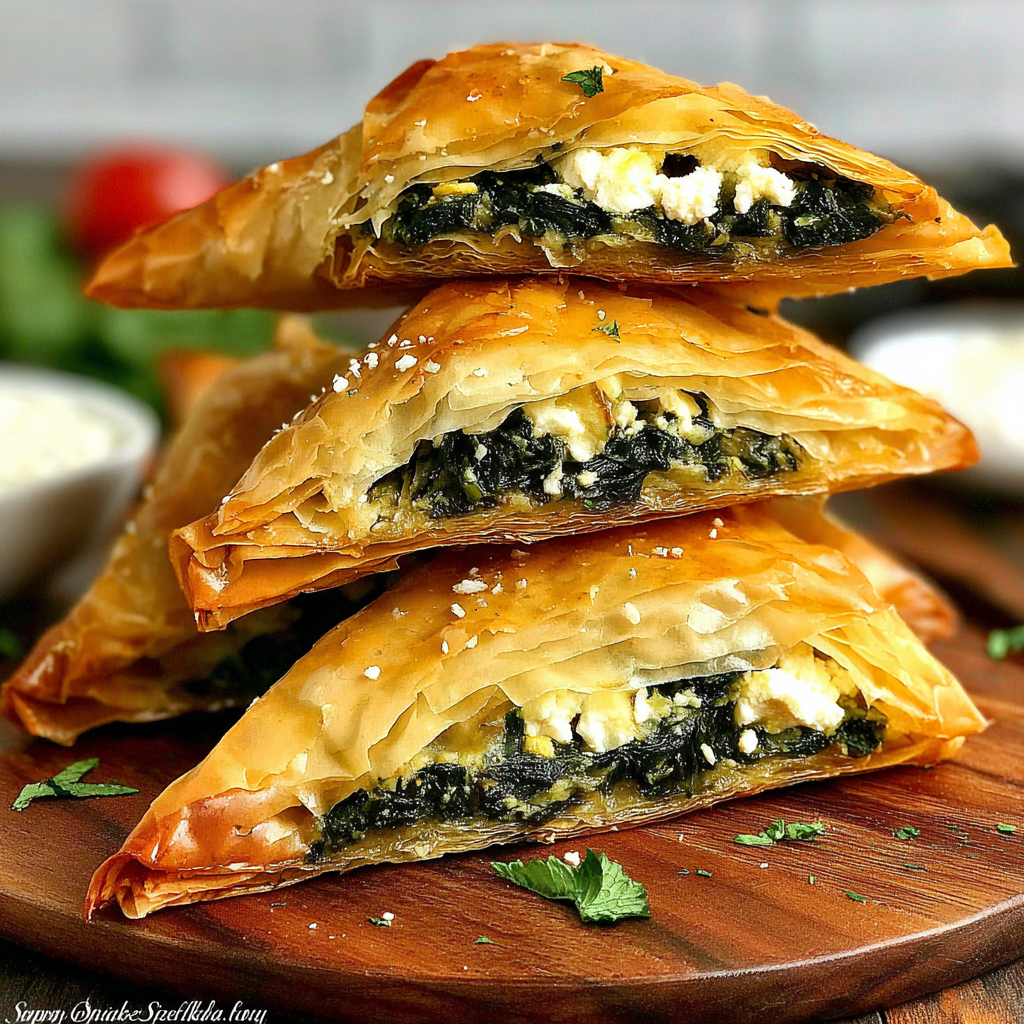
Spanakopita triangles embody the heart of Greek cuisine, bringing together rich flavors and a satisfying crunch. The combination of flaky phyllo dough with a savory filling of spinach, herbs, and feta cheese makes these little pockets of joy a versatile dish.
Perfect as an appetizer, snack, or even a light meal, these triangles are a celebration of fresh ingredients and traditional techniques. Whether enjoyed warm from the oven or at room temperature, each bite of spanakopita offers a delightful contrast of textures and tastes that transports you straight to a sun-soaked Mediterranean terrace.
Ingredients
- 1 pound fresh spinach
Fresh spinach is the star of this dish, providing a vibrant green color and a mild, earthy flavor. It not only forms the basis of the filling but also contributes essential nutrients such as iron and vitamins A and C. - 1 small onion, finely chopped
Onion adds a touch of sweetness and a depth of flavor to the filling. When sautéed, it becomes soft and aromatic, complementing the spinach and enhancing the overall taste. - 2 tablespoons olive oil
Olive oil offers a rich, fruity flavor that is fundamental in Mediterranean cooking. It helps to sauté the onion and bind the filling ingredients while keeping the spanakopita moist. - 3/4 cup crumbled feta cheese
Feta cheese brings a tangy creaminess to the mix, balancing the earthiness of spinach and the sweetness of onion. It melts slightly when baked, creating that delicious, cheesy texture. - 1/4 cup fresh dill, chopped
Dill is a classic herb in Greek cuisine, adding a bright, fresh taste that pairs beautifully with spinach. Its aromatic qualities uplift the entire dish, making it more fragrant and flavorful. - 1/4 cup fresh parsley, chopped
Like dill, parsley provides freshness and a slight peppery note. It enhances the overall taste without overpowering other ingredients, making it crucial for a balanced filling. - Salt and pepper to taste
These basic seasonings enhance all the flavors of the filling. Salt helps to bring out the natural sweetness of vegetables, while pepper adds a hint of warmth. - 1 package phyllo dough (16 ounces)
Phyllo dough is key to achieving the signature flaky texture of spanakopita. It provides the crispy exterior that contrasts with the soft and flavorful filling. - 1 egg, beaten (for sealing)
The beaten egg serves as an adhesive, ensuring that the phyllo layers stick together and the triangles remain securely sealed during baking.
Directions & Preparation
Step 1: Preheat the oven to 375°F (190°C).
Preheating the oven is a crucial first step. It ensures that the spanakopita will bake evenly and come out perfectly crispy. A well-heated oven helps to achieve that golden brown color on the phyllo dough.
Step 2: In a large skillet, heat olive oil over medium heat. Add the chopped onion and sauté until translucent, about 5 minutes.
Sautéing the onion in olive oil releases its natural sugars, adding depth to the filling. Cooking until it’s translucent allows for milder flavor without any rawness, creating a flavorful base for the spinach.
Step 3: Add the fresh spinach to the skillet and cook until wilted, about 3-4 minutes. Remove from heat.
This step mitigates the moisture content of the spinach while intensifying its flavor. Wilted spinach also helps prevent excess liquid in the filling, which could make the triangles soggy.
Step 4: Stir in crumbled feta, dill, parsley, salt, and pepper. Mix until well combined.
Combining the ingredients thoroughly ensures that each bite of spanakopita has a balanced flavor profile. Feta adds creaminess while herbs enhance freshness, creating a vibrant filling that encapsulates the essence of the dish.
Step 5: Lay one sheet of phyllo dough on a clean surface and brush it lightly with olive oil. Place a second sheet on top and brush it again.
Layering multiple sheets of phyllo creates a sturdier structure and maximizes flakiness. The oil helps to crisp the dough during baking, contributing to that beloved crunchy texture.
Step 6: Cut the layered phyllo into strips approximately 3 inches wide.
Cutting creates even segments, making it easier to fill and fold the triangles. This uniformity also aids in ensuring they bake evenly, resulting in a well-presented final product.
Step 7: Place a tablespoon of the spinach filling at one end of each phyllo strip. Fold the corner over to form a triangle, then continue folding in a triangular shape to seal the filling inside.
This folding technique not only seals in the filling but also creates layers that result in a visually appealing shape. Ensuring proper sealing is key to preventing leaks during baking.
Step 8: Place the formed triangles on a baking sheet lined with parchment paper. Brush the tops with the remaining olive oil.
Brushing the tops with olive oil promotes browning and enhances the visual appeal, encouraging a beautiful golden crust. Using parchment paper prevents sticking and simplifies cleanup.
Step 9: Bake in the preheated oven for 20-25 minutes until golden brown and crispy.
This baking phase develops the crust’s crunchy texture, a signature characteristic of spanakopita. It’s essential to monitor closely to avoid over-browning while allowing adequate cooking time for a delectable outcome.
Step 10: Remove from the oven and allow to cool slightly before serving.
Letting the spanakopita cool for a few moments helps the filling set slightly, making it easier to handle. They're best enjoyed warm, but they can also be served at room temperature.

Elevating Flavor with Fresh Herbs
In traditional spanakopita, fresh herbs play a crucial role in lifting the dish from simple to extraordinary. Dill and parsley are not just for garnish; they infuse the filling with freshness and complexity that dried herbs cannot replicate. By using freshly chopped herbs, you enhance its Mediterranean lineage, resulting in a dish that evokes sunny landscapes even during the coldest months.
The Art of Phyllo Folding
Folding phyllo dough may seem daunting at first, but practice makes perfect. Each fold creates a delicate, layered structure that is crucial for achieving that signature crispy texture. Take your time and lean into the artistic aspect of folding—there’s a satisfying rhythm to it. Remember, perfectly folded triangles not only look beautiful but also promote even cooking.
Accompaniments for Your Spanakopita
Spanakopita triangles can take center stage or be part of a larger spread. Pair them with Greek yogurt or tzatziki for dipping to add a creamy contrast to the flaky pastry. A side salad of cucumbers and tomatoes drizzled with olive oil and lemon juice complements the dish elegantly, creating a balanced meal that embraces the freshness of Greek flavors.
FAQs
What can I use if I can't find fresh dill?
If fresh dill is unavailable, dried dill can be used, though you'll need to use it more sparingly due to its concentrated flavor. Alternatively, fresh basil or mint can provide a different but still delicious herbaceous note.
Why did my spanakopita triangles turn out soggy?
Sogginess often results from excess moisture in the filling or insufficient baking time. Make sure to thoroughly cook the spinach to reduce water content, and ensure that the pastries are baked until they achieve that lovely golden color.
How can I scale this recipe for a larger crowd?
To scale up, simply multiply each ingredient proportionally based on desired servings. Just be mindful of oven space, as multiple baking sheets may need staggered baking to ensure even cooking.
My triangles are coming out too thick—what's wrong?
If your triangles are coming out too thick, it may be due to using too many layers of phyllo or not rolling it out enough. Try reducing the number of phyllo layers or ensuring it's properly rolled out to create thinner layers.
What if the filling tastes bland?
A bland filling could indicate insufficient seasoning, so taste the mixture before sealing it in. Adjust salt, pepper, and herbs to enhance the flavor. Remember, the ingredients should complement and elevate one another.
Can I use store-bought filling instead of making my own?
Yes, pre-made fillings are available, but they may not have the same freshness or depth of flavor as homemade. If you choose this route, consider adding fresh herbs to elevate its taste.
Conclusion
Making traditional spanakopita triangles is not just a culinary task; it’s an experience that connects you to Greek traditions and family gatherings. With each flaky bite, you share in generations of love and culinary expertise, making each dish a labor of joy.
Whether serving them at a gathering or savoring them quietly at home, these triangles are sure to evoke smiles and satisfaction. Enjoy the process, share the results, and most importantly, relish the delightful flavors.
Recipe Card
Classic Spanakopita Triangles with Fresh Spinach
Ingredients
- 1 pound fresh spinach
- 1 small onion finely chopped
- 2 tablespoons olive oil
- 3/4 cup crumbled feta cheese
- 1/4 cup fresh dill chopped
- 1/4 cup fresh parsley chopped
- Salt and pepper to taste
- 1 package phyllo dough 16 ounces
- 1 egg beaten (for sealing)
Instructions
- Preheat the oven to 375°F (190°C).
- In a large skillet, heat olive oil over medium heat. Add the chopped onion and sauté until translucent, about 5 minutes.
- Add the fresh spinach to the skillet and cook until wilted, about 3-4 minutes. Remove from heat.
- Stir in crumbled feta, dill, parsley, salt, and pepper. Mix until well combined.
- Lay one sheet of phyllo dough on a clean surface and brush it lightly with olive oil. Place a second sheet on top and brush it again.
- Cut the layered phyllo into strips approximately 3 inches wide.
- Place a tablespoon of the spinach filling at one end of each phyllo strip. Fold the corner over to form a triangle, then continue folding in a triangular shape to seal the filling inside.
- Place the formed triangles on a baking sheet lined with parchment paper. Brush the tops with the remaining olive oil.
- Bake in the preheated oven for 20-25 minutes until golden brown and crispy.
- Remove from the oven and allow to cool slightly before serving.
Notes
Additional serving suggestions: pair with a crisp salad, garlic bread, or roasted seasonal vegetables for balance.
For make-ahead, prep components separately and assemble just before heating to preserve texture.
Taste and adjust with acid (lemon/vinegar) and salt right at the end to wake up flavors.