Introduction
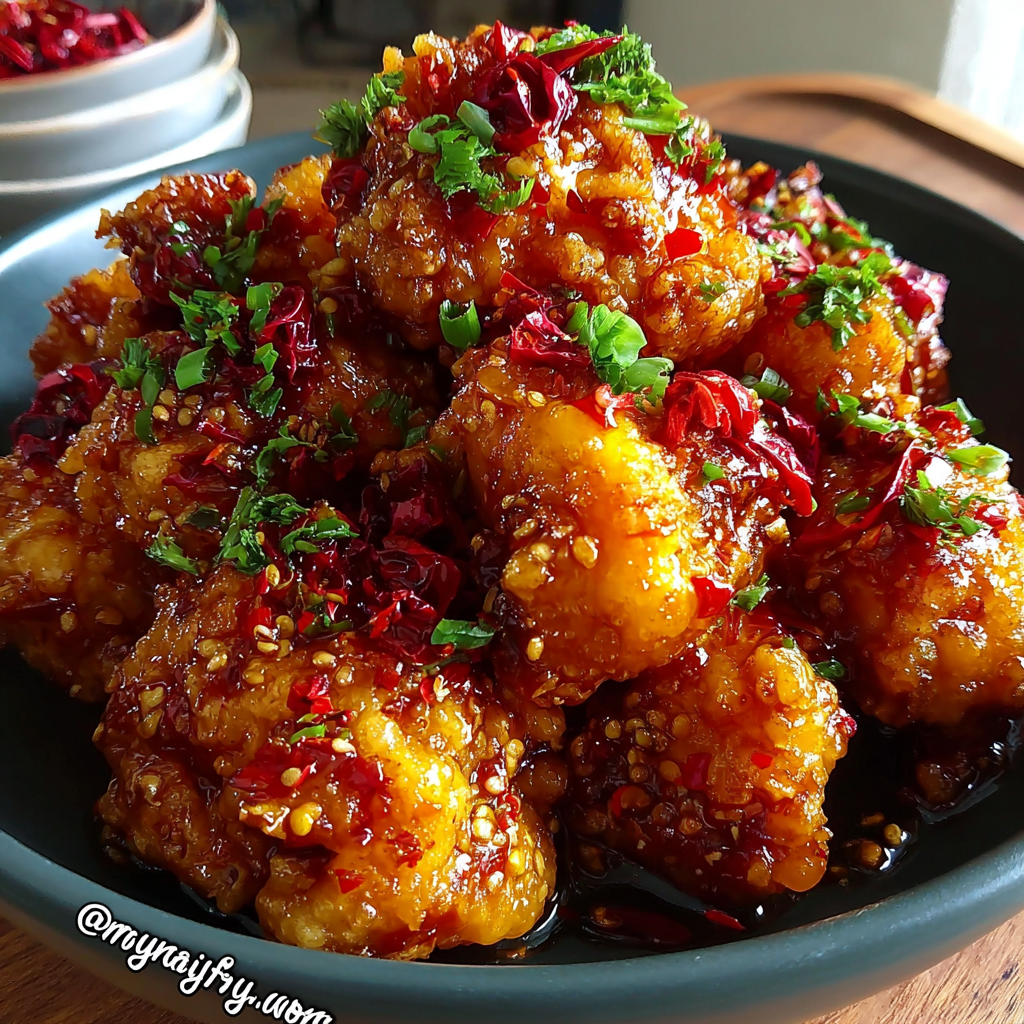
Crispy Orange Chicken is not just a dish; it's a vibrant affair that brings a burst of flavors and textures to your table. With its crunchy exterior and tangy citrus sauce, this dish combines the comforting essence of home cooking with the excitement of a favorite takeout meal. Whether you're hosting a casual dinner or simply treating yourself, this recipe delivers on all fronts.
The key to achieving that perfect crispiness lies in the double-breading technique, which ensures each piece of chicken is enveloped in a satisfying crunch. The punchy orange sauce adds brightness, balancing the savory elements beautifully. Let’s dive into this delightful dish that’s sure to become a household favorite.
Ingredients
- 1 pound boneless chicken thighs
Chicken thighs are preferred for their juiciness and flavor compared to breasts. They're more forgiving when it comes to cooking time, ensuring the meat remains succulent and tender. - 1 cup all-purpose flour
Flour forms the base for the breading, providing structure to the coating. It helps to create a crispy exterior when fried, locking in the moisture of the chicken. - 1/2 cup cornstarch
Cornstarch adds extra crunch and crispiness to the coating, helping to create a light texture that contrasts beautifully with the tender chicken. - 2 large eggs
Eggs act as a binding agent, allowing the flour and cornstarch to adhere to the chicken. They contribute to the richness of the breading, enhancing the overall flavor. - 1 teaspoon salt
Salt is crucial for flavor enhancement. It brings out the natural taste of the chicken and balances the sweetness of the orange sauce. - 1 teaspoon black pepper
Black pepper adds a subtle heat and depth of flavor, complementing the sweetness of the oranges and enriching the dish. - 1 cup orange juice (freshly squeezed)
Fresh orange juice provides the primary flavor for the sauce, delivering acidity and sweetness that brighten the dish, while enhancing the overall citrus profile. - Zest of 1 orange
Orange zest adds aromatic oils that heighten the flavor of the sauce. It enhances the dish's vibrancy and ties it closely to the orange theme. - 3 tablespoons soy sauce
Soy sauce introduces umami and saltiness, balancing the sweetness of the sugar in the sauce. It deepens the flavor profile, making it more savory. - 1 tablespoon rice vinegar
Rice vinegar adds a gentle acidity, helping to round out the flavors and prevent the dish from becoming overly sweet. - 1 tablespoon sugar
Sugar helps to create a glaze in the sauce, contributing to the sticky texture and balancing the acidity of the orange juice and vinegar. - 1/2 teaspoon garlic powder
Garlic powder infuses the sauce with warmth and a hint of savory flavor, complementing the bright citrus notes. - 1/2 teaspoon ginger powder
Ginger brings a warming spice, adding complexity to the sauce and complementing the orange flavor profile beautifully. - Oil for frying
The type of oil you use can affect the flavor; choose one with a high smoke point, like vegetable or peanut oil, to achieve the desired crispy texture without burning.
Directions & Preparation
Step 1: Prepare the chicken.
Start by cutting the chicken thighs into bite-sized pieces. This ensures even cooking and promotes a great balance between the crispy coating and tender meat. Season the pieces with salt and pepper to enhance their flavor before breading, allowing the seasoning to penetrate the meat slightly. Prepping properly here sets the foundation for a delicious outcome.
Step 2: Set up the breading station.
Create three separate bowls: one for the flour, one for the beaten eggs, and one for the cornstarch mixed with a pinch of salt and pepper. This setup is essential for efficient breading, ensuring that each piece is evenly coated. The order is crucial—standardizing your process like this helps maintain a consistent texture throughout.
Step 3: Coat the chicken.
Dredge each chicken piece first in the flour, shaking off excess, then dip it in the egg, and finally coat it with the cornstarch mixture. Press the cornstarch onto the chicken to ensure a thick, even coating. This multi-step process ensures that the coating adheres well and leads to that desirable crispiness.
Step 4: Heat the oil.
In a large pan or deep fryer, heat oil to 350°F (175°C). This temperature is critical; too low will result in grease-sogged chicken, while too high can burn the coating. Use a candy thermometer for accuracy if you have one, or test the oil with a small piece of bread—it should bubble vigorously when ready.
Step 5: Fry the chicken in batches.
Carefully add the chicken pieces to the hot oil in batches, ensuring not to overcrowd the pan. Each piece should have enough room to fry evenly, which keeps them crispy and avoids steaming. Fry until golden brown and cooked through, about 5-7 minutes, adjusting the heat as needed to maintain oil temperature.
Step 6: Drain the chicken.
Once cooked, use a slotted spoon or tongs to remove the chicken pieces and place them on a paper towel-lined tray. This step allows any excess oil to drain off, keeping the chicken crisp and ensuring it doesn’t become greasy.
Step 7: Prepare the orange sauce.
In a saucepan, mix together the orange juice, zest, soy sauce, rice vinegar, sugar, garlic powder, and ginger powder. Cook over medium heat until the mixture starts to bubble. This step is key for melding the flavors and achieving a sauce that coats the chicken perfectly.
Step 8: Thicken the sauce.
To thicken the sauce, you can mix a small amount of cornstarch with water and add it to the simmering juices. This step creates a silky, clingy texture that beautifully wraps around the chicken, elevating every bite.
Step 9: Combine chicken and sauce.
Once thickened, remove the sauce from the heat and return the crispy chicken to the pan. Toss gently to coat, making sure every piece is enveloped in the vibrant sauce. This final step integrates all the flavors, making for an irresistible dish.
Step 10: Serve and enjoy.
Plate your crispy orange chicken hot, garnished with additional orange zest or green onions if desired. This dish pairs wonderfully with steamed rice or stir-fried vegetables, making it a complete meal. The combination of textures and flavors creates a satisfying dining experience.

Secrets of Perfectly Crispy Chicken
Achieving that coveted crunch depends on the proper double-breading technique. This involves coating the chicken twice—once in flour and then in a dry mixture, like cornstarch. Each layer must adhere well by ensuring the chicken is lightly beaten in egg between the layers. This extra step not only promotes crispiness but also keeps the fluffy texture intact, making every bite delightful.
Balancing Sweet and Savory Flavors
The magic of Orange Chicken lies in its harmonious balance between sweet and savory. Fresh orange juice contributes brightness, while soy sauce provides savory depth. Adding garlic and ginger enhances the dish further, ensuring it’s flavorful but not overly sugary. Adjusting these ratios to your taste allows for a personalized touch, making your crispy orange chicken align perfectly with your preference.
Serving Suggestions for a Complete Meal
Crispy Orange Chicken is versatile when it comes to serving. Pair it with fluffy jasmine rice or fried rice for a satisfying meal. Add a side of stir-fried broccoli or snap peas to bring in a healthy crunch and some color. For an extra kick, a sprinkle of sesame seeds or chopped green onions elevates not only the flavor but also the presentation of this beautiful dish.
FAQs
What can I do if my sauce is too thick?
If your sauce is too thick, add a splash of water or additional orange juice to reach your desired consistency. Stir well and return to heat briefly to recombine.
Why does my chicken coating fall off during frying?
If the coating is falling off, ensure you're following the breading process correctly—good adherence of each layer is key. You might also try letting the breaded chicken rest for a few minutes before frying, allowing it to set.
How can I spice this dish up?
To add some heat, consider incorporating crushed red pepper flakes or Sriracha into the orange sauce, adjusting to your taste preference for a spicy kick.
Can I use chicken breasts instead?
Yes, you can substitute chicken thighs with chicken breasts, but be careful not to overcook them, as they tend to be drier. Adjust the cooking time accordingly.
What if my orange flavor is too weak?
If the orange flavor is lacking, consider adding more fresh orange juice or zest. You can also enhance the citrus notes with a splash of orange extract.
What cooking oil works best for frying?
Vegetable or peanut oil are ideal for frying due to their high smoke points. They enable a crispy texture without imparting too much flavor.
Conclusion
Crispy Orange Chicken is a delightful dish that brings together flavors which are comforting, exciting, and utterly satisfying. With the right techniques and ingredients, you can create your version that rivals your favorite restaurant takeout.
By following this recipe, you not only achieve the perfect balance of crispiness and tanginess but also learn valuable kitchen skills that make cooking confidence-building. Enjoy your homemade crispy orange chicken, and don’t forget to share it with those you love!
Recipe Card

Crispy Orange Chicken That Will Impress Everyone
Ingredients
- 1 pound boneless chicken thighs
- 1 cup all-purpose flour
- 1/2 cup cornstarch
- 2 large eggs
- 1 teaspoon salt
- 1 teaspoon black pepper
- 1 cup orange juice freshly squeezed
- Zest of 1 orange
- 3 tablespoons soy sauce
- 1 tablespoon rice vinegar
- 1 tablespoon sugar
- 1/2 teaspoon garlic powder
- 1/2 teaspoon ginger powder
- Oil for frying
Instructions
- Prepare the chicken.
- Set up the breading station.
- Coat the chicken.
- Heat the oil.
- Fry the chicken in batches.
- Drain the chicken.
- Prepare the orange sauce.
- Thicken the sauce.
- Combine chicken and sauce.
- Serve and enjoy.
Notes
Additional serving suggestions: pair with a crisp salad, garlic bread, or roasted seasonal vegetables for balance.
For make-ahead, prep components separately and assemble just before heating to preserve texture.
Taste and adjust with acid (lemon/vinegar) and salt right at the end to wake up flavors.