Introduction
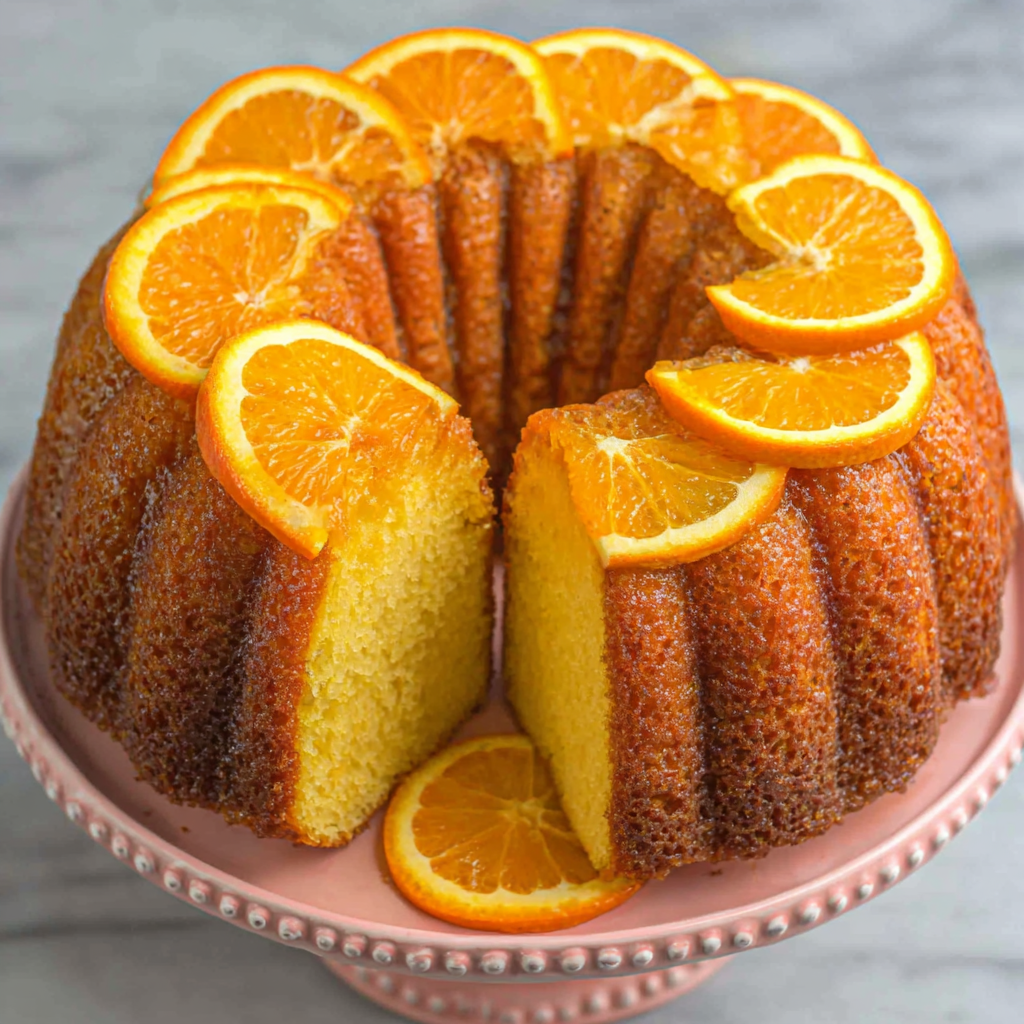
Nothing brightens up a dessert table quite like a classic orange cake. With its vibrant citrus flavor, this cake is perfect for celebrations or a simple afternoon treat. The aroma of fresh oranges and the tender crumb will entice anyone who walks by.
Making orange cake at home allows you to control the sweetness and refresh the flavors as you go. This recipe celebrates the natural sweetness of oranges while keeping the cake light and fluffy. Whether you're a seasoned baker or a novice, this cake is approachable and delicious.
Ingredients
- 2 cups all-purpose flour
The base for the cake, all-purpose flour provides structure and stability. Its gluten content contributes to the cake's rise, giving it a light and fluffy texture. - 1 ½ cups granulated sugar
Sugar not only sweetens the cake, but it also affects texture and moisture. It helps the cake retain moisture and contributes to a lovely golden color when baked. - ½ cup unsalted butter, softened
Butter adds richness and flavor while helping to create a tender crumb. Its fat content is essential for emulsifying the batter and ensuring a moist cake. - 3 large eggs
Eggs provide moisture, bind the ingredients together, and help the cake rise. They also contribute to the overall structure and stability of the cake. - 1 cup fresh orange juice
Fresh orange juice delivers an intense citrus flavor and moisture to the cake. The acidity helps to balance the sweetness and enhances the overall taste. - Zest of 2 oranges
Orange zest packs a punch of flavor. It contains essential oils from the peel, adding fragrance and a vibrant citrus essence that elevates the cake. - 1 teaspoon vanilla extract
Vanilla extract complements the citrus flavors, adding depth to the overall taste. It enhances the sweetness and rounds out the flavors nicely. - 2 teaspoons baking powder
Baking powder acts as a leavening agent, ensuring that the cake rises properly. It helps create a light and airy texture, making the cake fluffy. - ½ teaspoon salt
Salt enhances all the flavors in the cake, balancing sweetness and bringing out the natural flavors of the ingredients. It also strengthens the gluten structure.
Directions & Preparation
Step 1: Preheat your oven to 350°F (175°C).
Preheating the oven is crucial for consistent baking. An adequately preheated oven ensures that the cake rises properly from the start, creating a light and airy texture. Allowing the oven to reach the desired temperature will prevent over-baking or under-baking.
Step 2: Grease and flour a 9-inch round cake pan.
Greasing and flouring the pan prevents the cake from sticking, ensuring a clean release once baked. This step is essential for maintaining the cake's integrity and allows for easy serving and aesthetic presentation.
Step 3: In a large mixing bowl, cream the softened butter and sugar together until light and fluffy.
Creaming the butter and sugar incorporates air into the mixture, which is crucial for the cake's leavening process. This step helps to create a light texture and ensures the sugar dissolves, resulting in a smooth batter.
Step 4: Add the eggs one at a time, mixing well after each addition.
Incorporating the eggs gradually allows them to emulsify properly with the creamed mixture. This step ensures that the batter binds cohesively without curdling, contributing to the final structure of the cake.
Step 5: Mix in the orange juice, zest, and vanilla extract, blending until well combined.
Adding the wet ingredients at this stage infuses the batter with citrus flavor and acidity. The liquid activates the baking powder, initiating the leavening process, which is crucial for the cake's rise.
Step 6: In a separate bowl, combine the flour, baking powder, and salt.
Whisking the dry ingredients together ensures an even distribution of the baking powder and salt. This step prevents clumping and ensures that the cake rises evenly during baking, contributing to a uniform texture.
Step 7: Gradually add the dry ingredients to the wet ingredients, mixing until just combined.
Mixing the dry ingredients into the wet mixture at this stage should be done gently to avoid overworking the gluten. Overmixing can lead to a tougher cake texture, so stop mixing as soon as no dry flour is visible.
Step 8: Pour the batter into the prepared cake pan and smooth the top.
Once the batter is in the cake pan, smoothing the top helps it rise evenly. Additionally, ensuring there are no air bubbles beneath the batter will contribute to a uniform crumb and surface when baked.
Step 9: Bake in the preheated oven for 30-35 minutes, or until a toothpick comes out clean.
Baking the cake until a toothpick inserted into the center comes out clean indicates that it's fully cooked. Maintaining the correct baking time is critical to achieving a moist texture without overcooking, which would dry out the cake.
Step 10: Allow the cake to cool in the pan for 10 minutes, then transfer to a wire rack.
Letting the cake cool in the pan briefly allows it to set before transferring it to a wire rack. This step helps prevent the cake from breaking apart and allows it to cool evenly, preserving its moistness.
Step 11: Once completely cool, frost or glaze as desired.
Frosting or glazing the cake not only enhances its flavor but also adds a beautiful finish. Choose a citrus glaze or cream cheese frosting for a complementary flavor that highlights the orange notes.

Elevate with Candied Orange Peel
For an added flourish, consider garnishing your orange cake with candied orange peel. This not only enhances the presentation but also gives a burst of concentrated citrus flavor. The sweetness of the candied peel balances the cake's natural acidity, making each slice even more delightful.
Pairing Suggestions for Orange Cake
Orange cake pairs beautifully with a variety of beverages and accompaniments. Consider serving it alongside a warm cup of herbal tea or a chilled glass of Prosecco. For a more indulgent experience, a light scoop of vanilla ice cream enhances the cake's subtle flavors, rounding out a perfect dessert moment.
Storing and Serving Tips
To keep your orange cake fresh and moist, store it in an airtight container at room temperature for up to three days. For optimal texture and flavor, consider slicing and serving it at room temperature. If you need to keep it longer, a freeze can also preserve its delightful taste, just be sure to thaw it slowly to maintain all its qualities.
FAQs
What can I do if my orange cake is too dense?
If your cake is dense, it may have been overmixed or too much flour was added. Ensure you mix just until combined and accurately measure all ingredients. If it continues to be an issue, try reducing the flour slightly.
Can I substitute the orange juice with another citrus juice?
Absolutely! Lemon juice or grapefruit juice can both be used as substitutes for orange juice, depending on your preference for tartness. Just be mindful of adjusting the sweetness since these juices can vary in acidity.
How can I enhance the orange flavor in the cake?
To intensify the orange flavor, increase the amount of zest or use a combination of orange zest and a splash of orange extract. These adjustments will deepen the citrus profile and give your cake a vibrant taste.
Why did my cake sink in the middle?
A cake sinking in the middle usually indicates it wasn't fully baked or the batter was overmixed. Ensure your oven temperature is accurate and avoid opening the oven door too often during baking.
Can I make this cake in advance for a party?
Yes, you can bake the orange cake in advance. Cool it completely, then wrap it tightly in plastic wrap and store it at room temperature for a couple of days or freeze it for longer storage. Just frost it before serving for the freshest taste.
What texture should I expect from my orange cake?
You should expect a moist and fluffy texture. Proper mixing and baking time are crucial in creating the ideal tenderness and crumb structure. If too dry, consider checking your oven settings or measurements for future bakes.
Conclusion
This orange cake embodies everything that a home-baked dessert should be: flavorful, inviting, and utterly delightful. Using fresh oranges ensures a punch of natural flavor, making each bite a burst of citrus bliss.
Whether you serve it at a gathering or enjoy it as a personal treat, this cake is sure to become a favorite in your baking repertoire. Slice, serve, and enjoy the sunshine of orange flavor in every piece.
Recipe Card

Delightful Heart-Shaped Fruit and Cheese Platter
Ingredients
- 1 cup strawberries hulled and halved
- 1 cup raspberries
- 1 cup heart-shaped melon slices honeydew or cantaloupe
- 1 cup of assorted cheeses cheddar, brie, goat cheese
- 1/2 cup almonds toasted
- 1/4 cup honey
- Fresh mint leaves for garnish
Instructions
- Prepare the fruits by washing and slicing as needed.
- Arrange fruits in heart shapes on a large platter.
- Add assorted cheeses in between fruits.
- Incorporate toasted almonds throughout the platter.
- Drizzle honey over the cheeses.
- Garnish with fresh mint leaves.
Notes
Additional serving suggestions: pair with a crisp salad, garlic bread, or roasted seasonal vegetables for balance.
For make-ahead, prep components separately and assemble just before heating to preserve texture.
Taste and adjust with acid (lemon/vinegar) and salt right at the end to wake up flavors.