Introduction
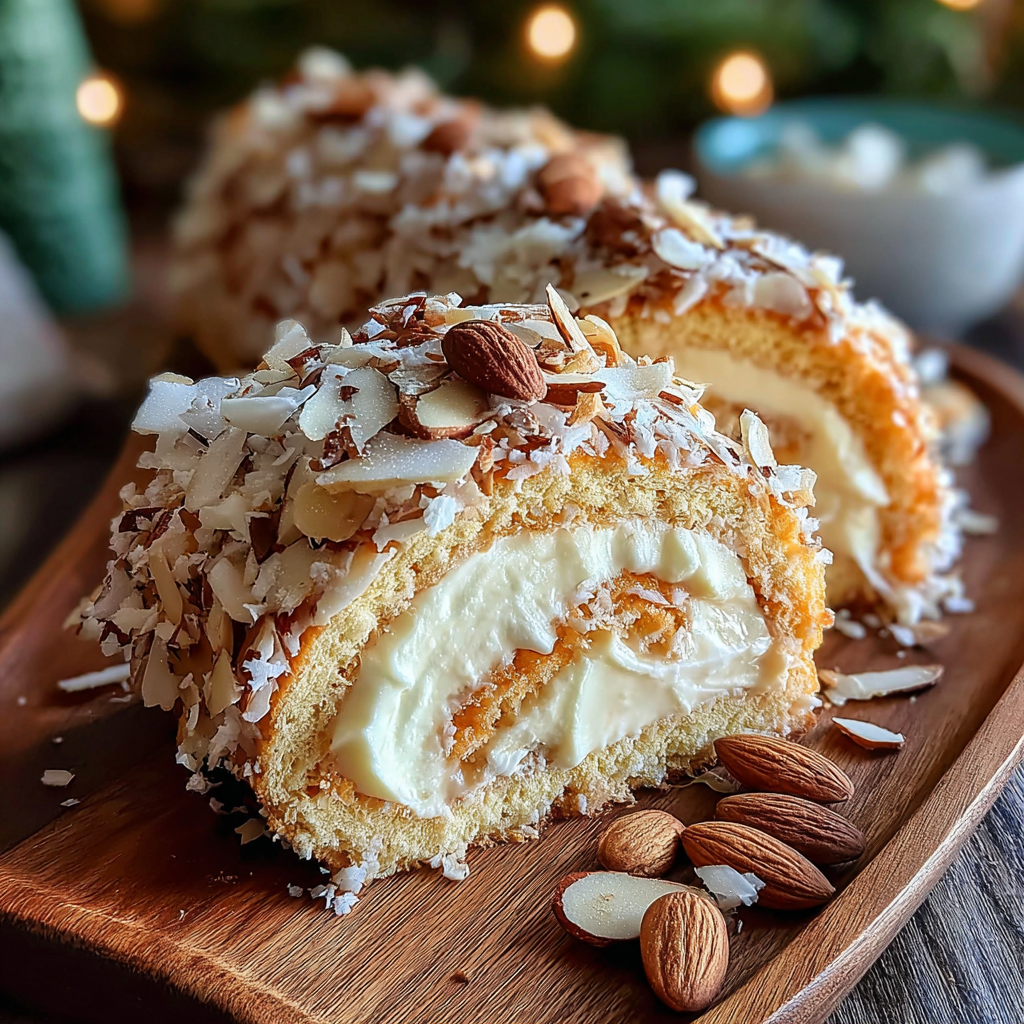
As the festive season approaches, many home cooks seek out desserts that not only satisfy sweet cravings but also impress family and friends. The Festive Coconut Almond Roulade embodies this spirit, offering a delightful combination of flavors and textures that makes it a perfect centerpiece for any gathering.
This elegant dessert features a light and airy almond sponge rolled with a luscious coconut cream filling. The play of nutty and tropical flavors, paired with the roulade's stunning appearance, ensures it will steal the show on your dessert table. The fun is not just in eating but also in the making; this roulade is a fun challenge that yields impressive results.
Ingredients
- 4 large eggs
Eggs provide structure to the sponge cake, create richness, and help with leavening when whipped to incorporate air, ensuring the roulade is light and fluffy. - 100 grams granulated sugar
Sugar sweetens the cake while also helping to stabilize the egg whites when whipped, contributing to the overall texture of the roulade. - 100 grams almond flour
Almond flour adds a nutty flavor and moistness to the cake, providing a great base that complements the coconut filling. - 1 teaspoon vanilla extract
Vanilla extract enhances the overall flavor profile, adding warmth and depth to the almond sponge. - 25 grams all-purpose flour
This small amount of flour aids in achieving the right structure without making the cake too dense, working in harmony with the almond flour. - 200 milliliters coconut cream
Coconut cream is the star of the filling, providing a rich, creamy texture and a delightful tropical flavor that pairs beautifully with the almond. - 50 grams confectioners' sugar
Used in the filling, it sweetens the coconut cream without adding graininess, ensuring a smooth, luscious texture. - Desiccated coconut for garnish
Desiccated coconut not only adds a decorative touch but also enhances the tropical flavor, making each slice visually appealing. - Pinch of salt
A pinch of salt balances the sweetness and amplifies the flavors in both the cake and filling, ensuring a well-rounded dessert.
Directions & Preparation
Step 1: Preheat the oven to 180°C (350°F).
Preheating ensures the oven reaches the right temperature before the batter goes in, allowing for proper rising and setting of the sponge cake. This step is crucial; a hot oven helps create the light, airy texture characteristic of a roulade.
Step 2: Separate the egg whites and yolks.
Separating the eggs is important for achieving a fluffy sponge. The egg whites will be whipped separately to incorporate air, while the yolks will create a rich base. Make sure to use clean, dry bowls to avoid compromising the egg whites' ability to whip.
Step 3: Whisk the egg yolks with sugar and vanilla until pale and thick.
This process, known as ribboning, incorporates air into the yolks, which is essential for a light sponge. The resulting mixture should be thick enough to form ribbons when the whisk is lifted.
Step 4: Gently fold in the almond flour and flour mix.
Folding helps retain the air incorporated in the yolks while evenly distributing the dry ingredients. Use a spatula to gently combine, being careful not to overmix, which can deflate the batter.
Step 5: Whip the egg whites with a pinch of salt until stiff peaks form.
Whipping the egg whites is key to creating volume and lightness in the roulade. Stiff peaks indicate that air has been sufficiently whipped into the egg whites, providing structure to support the cake.
Step 6: Fold the whipped egg whites into the batter.
Carefully folding the egg whites into the batter is essential to maintaining the airiness. This is done in batches to gradually lighten the mixture, ensuring a fluffy and tender cake.
Step 7: Spread the batter evenly on a lined baking tray.
Spreading the batter evenly ensures that the cake bakes uniformly, preventing any uneven texture or areas that are too thin or thick. Use a spatula to help achieve a smooth surface.
Step 8: Bake for 12-15 minutes or until the top is golden.
Baking the roulade for the right amount of time is crucial for proper texture. It should spring back when lightly touched. Overbaking can lead to a dry sponge, while underbaking may affect rolling.
Step 9: Let the cake cool in the tray for a few minutes before inverting it onto a sheet of parchment paper powdered with sugar.
Cooling briefly allows the cake to firm up slightly, making it easier to handle. Inverting it onto sugared parchment prevents sticking and helps maintain the delicate texture.
Step 10: While cooling, prepare the coconut cream filling by whisking coconut cream with confectioners' sugar until smooth.
Making the filling while the cake cools saves time and allows flavors to meld. The filling should be smooth and creamy, perfect for rolling without cracking the sponge.
Step 11: Spread the coconut cream filling evenly over the cooled cake.
Spreading the filling evenly is key to preventing it from spilling out when the cake is rolled. Leave a small border to allow for even rolling.
Step 12: Roll the cake tightly from one end to the other using the parchment.
Rolling the cake tightly ensures a beautiful spiral effect in the final presentation. Use the parchment to guide the roll, being careful not to tear the sponge.
Step 13: Wrap the roulade in the parchment and chill it for at least an hour before serving.
Chilling helps the roulade set, allowing the flavors to combine while firming up the filling. This step is essential for ease of slicing and to maintain its shape.
Step 14: Before serving, dust with additional desiccated coconut for garnish.
The finishing touch of desiccated coconut enhances both the visual appeal and the tropical flavor of the dish. It also adds a delightful texture contrast when enjoyed.

Creating the Perfect Sponge Cake
The cornerstone of a successful roulade is the sponge cake, which should be light and airy. Achieving this requires perfecting the egg separation process and whipping technique. The air whipped into the egg whites creates the lift necessary for a fluffy cake. When folding in the dry ingredients, do so gently to maintain this airiness, ensuring a tender final product that rolls beautifully.
The Joy of Coconut Cream Filling
Coconut cream transforms the roulade into a luxurious treat. When whipping it with confectioners' sugar, the goal is a smooth, pliable filling that complements the light almond cake. You can even experiment with adding other flavors, such as lime zest or a splash of rum, to personalize it to your taste, ensuring each bite captures the essence of the tropics.
Presentation Matters: Serving Your Roulade
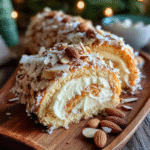
A well-presented roulade is sure to impress. Once chilled and garnished with coconut, consider slicing it into rounds to showcase the pretty spiral. Serve on a decorative platter with fresh berries or a drizzle of chocolate sauce for an added touch. Presentation enhances the overall dining experience and makes this delightful dessert even more appealing at festive gatherings.
FAQs
What if my sponge is too thick to roll?
If your sponge seems too thick while rolling, it may not have been aerated enough during mixing. Ensure that egg whites are whipped to stiff peaks and folded gently into the batter. A properly aerated sponge should be flexible.
How can I adjust the sweetness in the filling?
To adjust the sweetness, simply reduce the amount of confectioners' sugar in the coconut cream filling. Start by cutting down by half, tasting as you go until you reach your desired sweetness without sacrificing texture.
Could I use other nut flours instead of almond?
Yes, you can substitute almond flour with other nut flours, such as hazelnut or pecan flour. However, this will slightly change the flavor profile of the roulade.
What can I do if my roulade cracks upon rolling?
Cracking can occur if the sponge is overbaked or not rolled carefully. To salvage, simply fill cracks with the coconut cream filling and dust over with desiccated coconut to disguise imperfections.
Can I add more coconut to the filling?
Certainly! You can increase the amount of desiccated coconut in the filling to boost the flavor further. Just be sure to balance it with additional cream to maintain the right texture.
What type of baking tray works best for this roulade?
A shallow baking tray or jelly roll pan is preferred as it allows the sponge to bake more evenly. A size of approximately 15×10 inches is ideal for this recipe.
Conclusion
The Festive Coconut Almond Roulade is not just a dessert; it’s an expression of creativity and festivity. With its beautiful spiral and delightful filling, this roulade brings both flavor and charm to your table, making it a memorable choice for any celebration.
Whether you’re an experienced baker or trying out roulades for the first time, this recipe encourages you to embrace the process and enjoy the journey of creating something special. Happy baking!
Recipe Card
Festive Coconut Almond Roulade Delight
Ingredients
- 4 large eggs
- 100 grams granulated sugar
- 100 grams almond flour
- 1 teaspoon vanilla extract
- 25 grams all-purpose flour
- 200 milliliters coconut cream
- 50 grams confectioners' sugar
- Desiccated coconut for garnish
- Pinch of salt
Instructions
- Preheat the oven to 180°C (350°F).
- Separate the egg whites and yolks.
- Whisk the egg yolks with sugar and vanilla until pale and thick.
- Gently fold in the almond flour and flour mix.
- Whip the egg whites with a pinch of salt until stiff peaks form.
- Fold the whipped egg whites into the batter.
- Spread the batter evenly on a lined baking tray.
- Bake for 12-15 minutes or until the top is golden.
- Let the cake cool in the tray for a few minutes before inverting it onto a sheet of parchment paper powdered with sugar.
- While cooling, prepare the coconut cream filling by whisking coconut cream with confectioners' sugar until smooth.
- Spread the coconut cream filling evenly over the cooled cake.
- Roll the cake tightly from one end to the other using the parchment.
- Wrap the roulade in the parchment and chill it for at least an hour before serving.
- Before serving, dust with additional desiccated coconut for garnish.
Notes
Additional serving suggestions: pair with a crisp salad, garlic bread, or roasted seasonal vegetables for balance.
For make-ahead, prep components separately and assemble just before heating to preserve texture.
Taste and adjust with acid (lemon/vinegar) and salt right at the end to wake up flavors.