Introduction
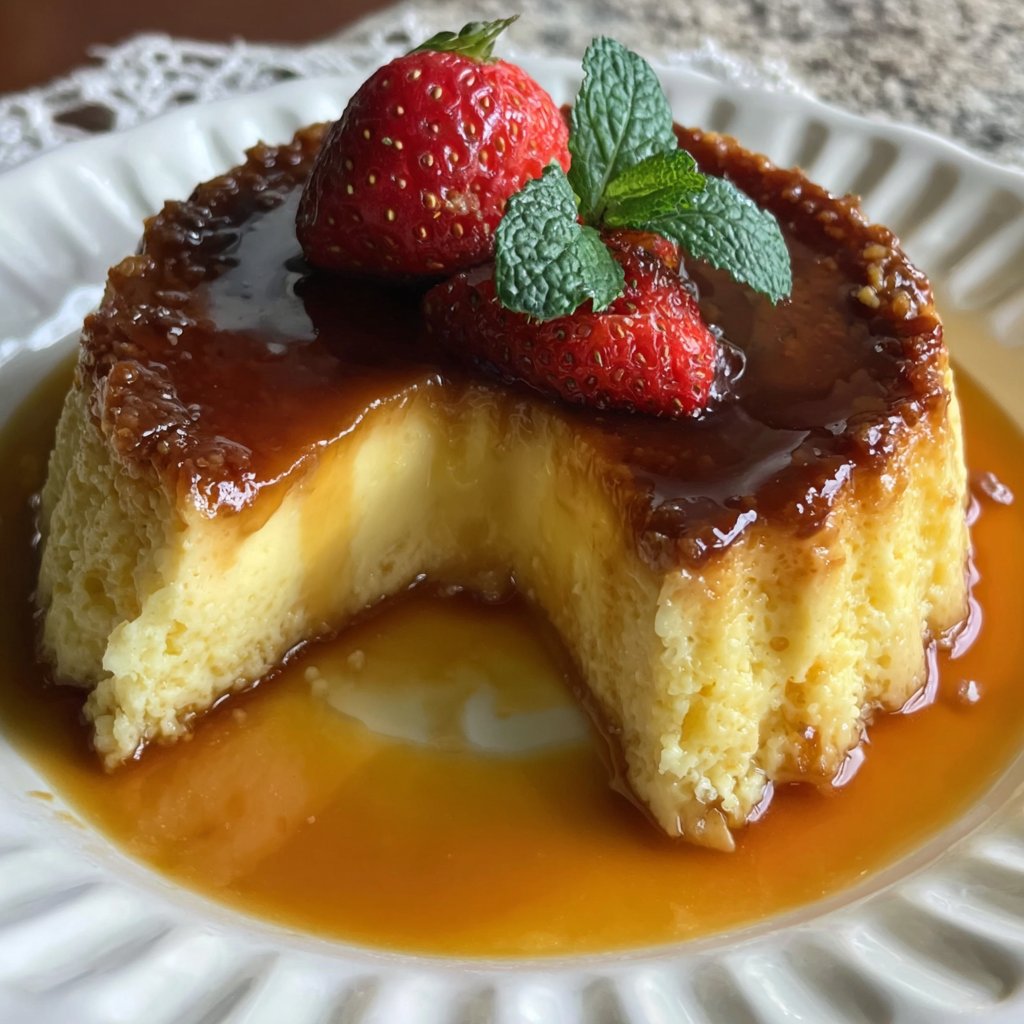
Caramel pudding and soft cake are two beloved desserts that, when combined, create a mesmerizing treat. Both have their own unique textures and flavors, and together they form a delightful pairing that is sure to impress anyone who tries them. Preparing these treats may seem daunting, but with careful attention and a bit of love, you can create a dessert that delights the senses, offering everything from the rich sweetness of caramel to the airy softness of cake.
In this recipe, we’ll explore how to make a luscious caramel pudding layered atop a light and fluffy soft cake. The resulting dish is not only visually appealing but also showcases the beautiful contrast between the creamy pudding and the tender cake. It’s perfect for special occasions or simply when you want to treat yourself and loved ones to something extraordinary.
Ingredients
- 1 cup sugar
Sugar will be used to create the caramel sauce, providing that lovely deep flavor and color. It's also essential in the cake, as it aids in creating a tender crumb and balanced sweetness. - 3 tablespoons water
Water helps to dissolve the sugar when making the caramel, ensuring an even melt. The right amount will prevent the sugar from crystallizing, which can ruin your sauce. - 2 cups whole milk
Whole milk contributes creaminess to the pudding, enriching the texture and flavor. It also keeps the cake moist, resulting in a deliciously soft bite. - 4 large eggs
Eggs act as a binding agent in both the pudding and the cake, providing structure, richness, and a lovely golden color. They also help the pudding set properly. - 1 teaspoon vanilla extract
Vanilla enhances the flavors in both the pudding and the cake, adding a warm and inviting aroma. It creates a lovely depth that ties the dish together. - 1 cup all-purpose flour
Flour is the base of the cake, giving it structure and allowing it to rise. The right type of flour will ensure a fine texture that contrasts beautifully with the smooth pudding. - ½ teaspoon baking powder
Baking powder acts as a leavening agent, helping the cake rise as it bakes. This will create a light and airy texture, perfect for a soft cake. - ¼ teaspoon salt
Salt is a vital flavor enhancer that brings out the natural sweetness in both the cake and caramel. It helps balance the flavors. - ½ cup unsalted butter, softened
Butter adds richness and flavor to the cake, while also aiding in creating a tender crumb. It should be softened to incorporate easily with sugar.
Directions & Preparation
Step 1: Prepare the caramel sauce.
Start by combining the sugar and water in a medium saucepan over medium heat. Stir gently until the sugar dissolves, then stop stirring and allow it to boil undisturbed. Watch closely as it turns a golden amber color, which indicates it's ready. This process is essential, as timing is crucial; overcooking can result in a burnt flavor, while undercooking can lead to a grainy texture. Once perfect, remove it from the heat and quickly pour it into the bottom of your baking dish.
Step 2: Make the pudding mixture.
In a bowl, whisk together the eggs until they are well beaten, then add the milk and vanilla extract. Mix thoroughly until combined. This step is vital; ensuring the eggs are well blended allows for a smooth pudding texture without any eggy lumps. Straining the mixture later can also be a great way to achieve this, though it’s not necessary if blended well.
Step 3: Combine dry ingredients for the cake.
In a separate bowl, whisk together the all-purpose flour, baking powder, and salt. This mixture helps distribute the leavening and salt evenly throughout the flour, resulting in a more consistent cake texture. It’s essential to thoroughly mix the dry ingredients before incorporating them with the wet to avoid uneven rising during baking.
Step 4: Cream the butter and sugar.
In a large mixing bowl, cream the softened butter and sugar together until light and fluffy. This process introduces air into the batter, which is critical for achieving a soft and tender texture in the cake. Scrape down the sides of the bowl as you mix to ensure everything is well combined. The mixture should take on a pale color, about 2-3 minutes of mixing.
Step 5: Add egg mixture.
Gradually add the well-beaten egg mixture to the creamed butter and sugar, mixing continuously until fully incorporated. This step is crucial; the eggs provide the necessary moisture and richness to the cake thereby enhancing its flavor profile. Mixing slowly helps maintain the airiness created during the creaming process.
Step 6: Combine wet and dry ingredients.
Gently add the dry ingredients to the wet mixture, being careful not to overmix. This is a pivotal moment, as overmixing can result in a tough cake due to gluten development. Stir lightly until just combined; a few lumps are perfectly fine.
Step 7: Pour batter over the caramel sauce.
Carefully pour the cake batter over the set caramel in the baking dish. This step ensures the batter sits on top of the caramel, where it will eventually bake to create that delicious layer. Be cautious not to disturb the caramel too much; maintaining a proper layering is key for a beautiful end product.
Step 8: Bake the cake.
Bake in a preheated oven at 350°F (175°C) for about 30-35 minutes or until a toothpick inserted into the center comes out clean. The importance of this stage cannot be overstated; baking properly allows the cake to rise and develop a golden exterior while the pudding gently cooks underneath, resulting in a soft texture.
Step 9: Cool and invert.
Once baked, allow the dish to cool for about 10 minutes before inverting it onto a serving platter. Cooling briefly helps in setting the pudding layer before flipping. This is the thrilling moment where the pudding and caramel coat the top of the cake, revealing the glorious contrast in your dessert.

Balancing Flavors: The Role of Caramel
The caramel sauce adds a unique depth to this dessert, offering both sweetness and a touch of bitterness that contrasts beautifully with the soft cake. By mastering the caramel-making process, you enhance the overall dish, transforming a simple dessert into a show-stopping centerpiece. The interplay between the caramel and the cake creates a complex flavor profile that engages the palate.
The Science Behind a Soft Cake
Achieving the perfect soft cake requires understanding the science of baking. The balance of ingredients including fats, sugar, and aeration determines how soft and tender the cake becomes. By properly creaming butter and sugar and avoiding overmixing, you're ensuring that air pockets are created, which is essential for a light and fluffy texture. The chemistry of your ingredients directly contributes to a satisfying mouthfeel.
Presentation Tips for Serving
The presentation of your caramel pudding and soft cake can elevate the dessert experience. Consider serving it topped with fresh berries or a dollop of whipped cream to add contrast in color and flavor. Drizzling additional caramel on top or around the plate can enhance its visual appeal and provide a flavorful addition. Thoughtful garnishing creates an inviting dessert that not only tastes good but also looks exquisite.
FAQs
What if the caramel hardens when cooling?
If the caramel cools too much and hardens, it can be gently reheated to re-melt it. Care should be taken to not overheat and burn it.
What should I do if my cake is too dense?
If the cake turns out dense, it may have been overmixed while combining wet and dry ingredients. Next time, mix until just combined.
Can I use a different type of milk?
Yes, you can use any milk alternative such as almond, oat, or coconut milk. However, be cautious of the flavor impacts these alternatives may introduce.
What if the pudding layer doesn’t set?
If the pudding layer doesn’t set, it may be due to undercooked eggs or insufficient baking time. Make sure they fully cook during baking before inverting.
How can I enhance the caramel flavor?
You can enhance the caramel flavor by adding a pinch of sea salt to the caramel or even infusing it with spices like cinnamon during cooking.
What should I do if the cake overbakes?
If the cake overbakes and becomes dry, consider serving it with a drizzle of cream or pudding to add moisture back to the slice.
Conclusion
Creating a caramel pudding and soft cake is a rewarding culinary adventure that showcases your baking skills. The combination of textures and flavors is sure to please any crowd, whether for a casual family dinner or a festive gathering.
As you prepare this dessert, remember that patience and careful attention to detail can lead to beautiful results. Enjoy the process, and don’t hesitate to share your lovely creation with friends and family.
Recipe Card
Delicate Caramel Pudding and Soft Cake Fusion
Ingredients
- 1 cup sugar
- 3 tablespoons water
- 2 cups whole milk
- 4 large eggs
- 1 teaspoon vanilla extract
- 1 cup all-purpose flour
- ½ teaspoon baking powder
- ¼ teaspoon salt
- ½ cup unsalted butter softened
Instructions
- Prepare the caramel sauce.
- Make the pudding mixture.
- Combine dry ingredients for the cake.
- Cream the butter and sugar.
- Add egg mixture.
- Combine wet and dry ingredients.
- Pour batter over the caramel sauce.
- Bake the cake.
- Cool and invert.
Notes
Additional serving suggestions: pair with a crisp salad, garlic bread, or roasted seasonal vegetables for balance.
For make-ahead, prep components separately and assemble just before heating to preserve texture.
Taste and adjust with acid (lemon/vinegar) and salt right at the end to wake up flavors.