Introduction
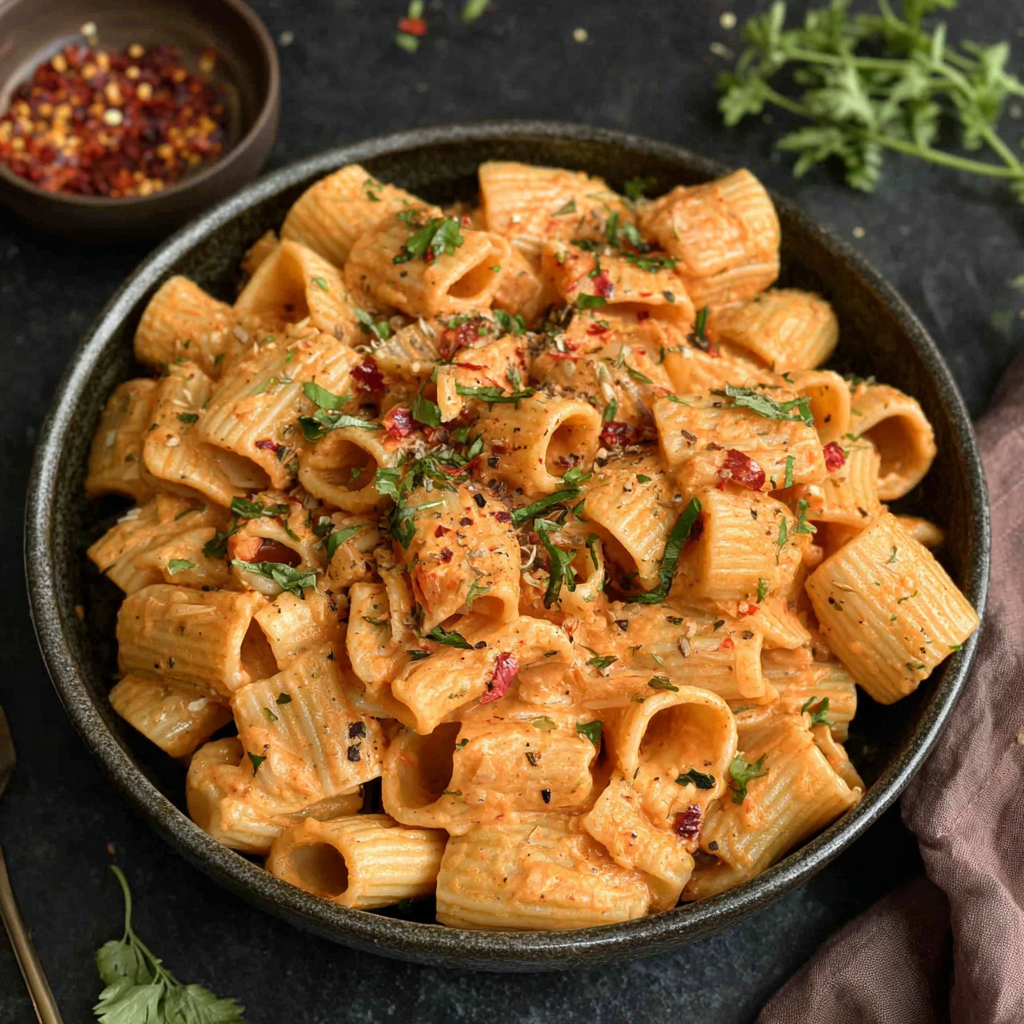
For those who appreciate a bit of spice in their meals, Gochujang Pasta is a delightful fusion that combines the umami-rich depth of Korean gochujang with the comforting familiarity of pasta. This dish is simple to prepare yet makes a bold statement on the plate, inviting you to savor every deeply flavored bite.
Unlike traditional pasta sauces, this recipe harnesses the complexities of gochujang, a fermented chili paste that adds heat, sweetness, and earthiness. The vibrant color and aromatic characteristics transform a typical weeknight dinner into an extraordinary culinary experience.
Ingredients
- 200g spaghetti
Spaghetti serves as the perfect foundation for this dish, allowing the sauce to cling to its long, thin strands. Its neutral flavor makes it a versatile choice for pairing with the bold gochujang. - 2 tablespoons gochujang
Gochujang is a staple Korean ingredient that imparts a deep, rich heat and a slight sweetness. Its fermented nature adds complexity to the pasta, bringing the dish to life. - 1 tablespoon soy sauce
Soy sauce adds saltiness and umami, balancing the heat from the gochujang. It enhances the overall flavor profile and complements the pasta beautifully. - 2 cloves garlic, minced
Garlic infuses a robust aromatic quality to the dish. Its savory notes enhance the sauce, making every bite fragrant and flavorful. - 1 tablespoon sesame oil
Sesame oil contributes a nutty richness that rounds out the spiciness of the dish. It also adds a touch of traditional Korean flavor that elevates the entire pasta experience. - 1 cup cherry tomatoes, halved
Cherry tomatoes provide a sweet, juicy burst that contrasts nicely with the heat of the sauce. Their acidity helps brighten the dish, balancing out the richness. - ¼ cup scallions, chopped
Scallions bring a fresh, crisp element to the pasta, adding brightness and a gentle crunch. They also enhance the visual appeal with their vibrant green color. - Sesame seeds for garnish
Sprinkling sesame seeds on top adds an additional layer of flavor and a pleasing texture to the dish. They also serve as a decorative finish that makes the dish enticing.
Directions & Preparation
Step 1: Cook the spaghetti according to package instructions until al dente.
Cooking spaghetti until 'al dente' ensures the noodles maintain a slight firmness, which is essential when tossing with the sauce. This texture provides a satisfying bite and helps the pasta hold up against the bold flavors of the gochujang sauce.
Step 2: In a large skillet, heat the sesame oil over medium heat.
Warming the sesame oil creates a fragrant base for sautéing garlic and is crucial for extracting its flavors. The oil should shimmer slightly without smoking, indicating that it's ready for the next ingredients.
Step 3: Add minced garlic and sauté until fragrant, about 1 minute.
Sautéing garlic until fragrant is key to avoiding bitterness. Just a minute is often enough to release its aromatic oils, creating a delicious foundation for the sauce. Be vigilant; garlic can quickly turn from golden to burnt.
Step 4: Stir in gochujang and soy sauce, mixing well.
Combining gochujang and soy sauce creates the spicy-sweet sauce that defines this dish. Mix thoroughly to ensure the flavors meld, and allow the mixture to bubble slightly as it develops its full flavor potential.
Step 5: Add cherry tomatoes and cook until they soften, about 3-4 minutes.
Cooking the cherry tomatoes allows them to burst and release their juices, enriching the sauce with their sweetness. This passage of time also emphasizes the harmonious blending of the sauce's elements, contributing to every element's flavor.
Step 6: Toss in the cooked spaghetti and scallions, ensuring even coating.
Tossing the cooked spaghetti with the sauce and scallions allows the pasta to absorb the flavors while ensuring every strand is well-coated. This is a critical step to achieving a well-integrated dish that showcases the unique taste of the gochujang.
Step 7: Serve the pasta hot, garnished with sesame seeds.
Serving the pasta hot provides the best tasting experience, allowing the ingredients to shine. Garnish with sesame seeds to enhance both flavor and presentation, inviting everyone to dig in and enjoy the vibrant dish you've created.

Transformative Power of Gochujang
Gochujang's transformative power is a key focus of this dish. It represents the cultural exchange that occurs when diverse culinary traditions meet. Its fermentation gives the pasta sauce a depth that elevates the entire meal, making an everyday pasta dish extraordinary. The balance of heat, umami, and sweetness from gochujang introduces a dynamic complexity that goes beyond typical Italian sauces.
Colorful Ingredients Make for Stunning Presentation
The use of vibrant, fresh ingredients plays a crucial role in the visual appeal of Gochujang Pasta. Bright cherry tomatoes and green scallions not only enhance flavor but also create an inviting dish. This artistic presentation encourages creativity in the kitchen, reminding us how food can be as much about aesthetic pleasure as flavor.
A Dish for All Occasions
Whether it's a quick weeknight dinner or a casual gathering with friends, Gochujang Pasta fits right in. Its unique flavor profile makes it suitable for any setting, impressing diners with its boldness. Plus, it can be customized easily, allowing you to add proteins or vegetables of your choice, making it a versatile staple in your culinary repertoire.
FAQs
What if I find the sauce too spicy?
If the sauce is too spicy for your taste, consider adding a touch of honey or sugar to balance the heat without spoiling the sauce's essence. Alternatively, you can add more cherry tomatoes or even a splash of cream to tone down the intensity.
Can I use a different type of pasta?
Absolutely! While spaghetti is a classic choice, feel free to experiment with different pasta shapes like fettuccine or penne. Just keep in mind that the cooking time may vary depending on the type of pasta you choose.
What should I do if the sauce is too thick?
If the sauce becomes too thick, simply add a splash of pasta water or broth to reach your desired consistency. This will help the sauce cling to the noodles without being overpowering.
How can I make this dish more filling?
To make Gochujang Pasta more filling, consider adding protein such as grilled chicken, shrimp, or tofu. These will complement the sauce while adding nutritional value and heartiness to the meal.
Can I add some vegetables to this recipe?
Definitely! You can include vegetables like bell peppers, zucchini, or spinach for extra nutrition and texture. Just sauté them along with the garlic to ensure they integrate well into the dish.
What can I do if the pasta gets overcooked?
If your pasta turns out overcooked, a quick sauté in the pan with the sauce can help revive some texture. Alternatively, you can try adding a dash of olive oil to give it a bit more flavor and moisture.
Conclusion
Incorporating Gochujang into pasta is a delightful culinary adventure that blends the flavors of Korea with Italian traditions. This dish serves as a reminder that food can bridge cultures, enhancing not only our palates but also our experiences.
As you savor each spicy, comforting bite, you'll appreciate the unique essence of Gochujang Pasta, making it a staple in your recipe collection. So, roll up your sleeves and give this bold blend a try—it's sure to become a favorite!
Recipe Card

Delightful Christmas Hot Chocolate Toast Recipe
Ingredients
- 4 slices of brioche or sourdough bread
- 1 cup of whole milk
- 2 tablespoons of cocoa powder
- 2 tablespoons of sugar
- 1/4 teaspoon of vanilla extract
- whipped cream for topping
- sprinkles or crushed peppermint candies for garnish
Instructions
- Prepare the hot chocolate mixture by heating milk and combining it with cocoa, sugar, and vanilla.
- Toast the bread slices until golden brown and crispy.
- Dip each toasted slice into the hot chocolate mixture and let it soak briefly.
- Place the soaked slices on a baking tray and add a generous layer of whipped cream on top.
- Add sprinkles or peppermint candies over the whipped cream for decoration.
- Broil the assembled toast for a few minutes until the cream is slightly golden.
- Serve immediately and enjoy the festive delight!
Notes
Additional serving suggestions: pair with a crisp salad, garlic bread, or roasted seasonal vegetables for balance.
For make-ahead, prep components separately and assemble just before heating to preserve texture.
Taste and adjust with acid (lemon/vinegar) and salt right at the end to wake up flavors.