Introduction
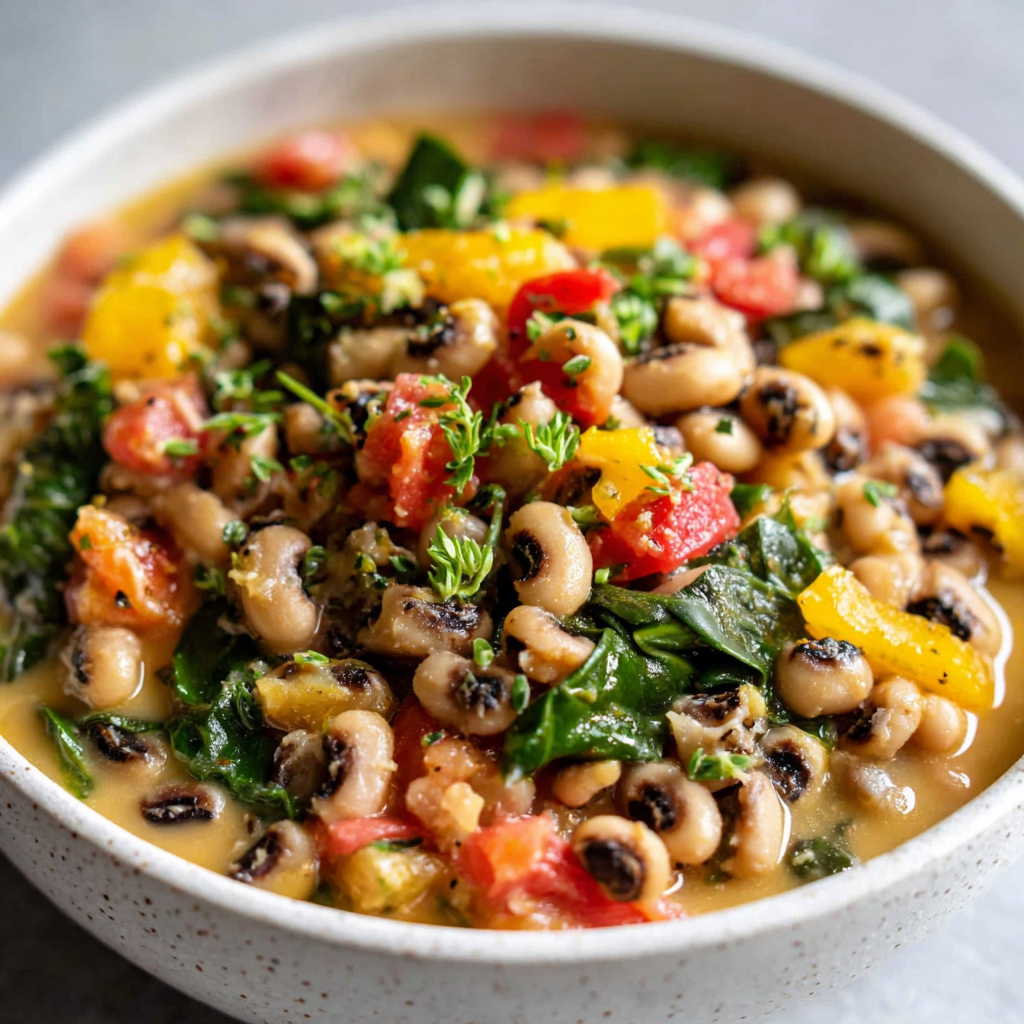
Southern black-eyed peas hold a special place in both kitchens and culture, often symbolizing good luck and prosperity. These humble legumes offer a delectable, earthy flavor and can be a satisfying main dish or a delicious side. Understanding their preparation elevates them from simple beans to a cherished tradition.
When properly cooked, black-eyed peas are tender yet firm, absorbing the rich flavors of seasonings and other ingredients. Their versatility allows for an array of culinary creations, whether you're whipping up a classic dish or experimenting with new flavors. Let’s explore how to make this classic Southern dish.
Ingredients
- 1 pound dried black-eyed peas
Dried black-eyed peas are the base of this dish. They offer a creamy texture and nutty flavor, providing a hearty foundation. Soaking them helps reduce cooking time and improve digestibility. - 6 cups water
Water is essential for cooking the black-eyed peas, hydrating them and allowing the flavors of added seasonings to infuse. The quantity helps ensure the peas cook evenly. - 1 medium onion, chopped
Onion adds a depth of flavor and sweetness to the dish. Sautéing the onions helps to release their natural sugars, enhancing the overall taste of the black-eyed peas. - 2 cloves garlic, minced
Garlic brings a pungent aroma and robust flavor to the recipe. It complements the earthiness of the peas and adds complexity to the final dish. - 2 tablespoons olive oil
Olive oil is used for sautéing the onions and garlic, contributing healthy fats to the dish and helping to meld the flavors together. It also adds a subtle richness. - 1 teaspoon smoked paprika
Smoked paprika infuses a smoky, deep flavor into the black-eyed peas, enhancing the dish's southern character. It adds warmth and a touch of color. - 1 teaspoon salt
Salt is crucial for seasoning the peas, enhancing their natural flavors. It should be added at the right time, so it doesn’t toughen the beans during cooking. - 1/4 teaspoon black pepper
Black pepper adds a hint of spice, balancing the earthiness of the peas. It enhances the overall flavor and provides a gentle kick. - 1 bay leaf
The bay leaf infuses a subtle aromatic flavor as the peas cook. It's important to remove it before serving to avoid any bitterness.
Directions & Preparation
Step 1: Rinse and soak the black-eyed peas for at least 4 hours.
Soaking the black-eyed peas is a crucial step that helps to hydrate them, making them tender and decreasing cooking time. Rinsing them removes any dust or impurities, ensuring a clean taste. If time is short, you can use the quick soak method: boil the peas in water for 2 minutes, then let them sit for an hour.
Step 2: Heat olive oil in a large pot over medium heat, then sauté the onions until translucent.
Heating the olive oil is essential for sautéing the onions, allowing them to release their natural sugars and develop a sweet flavor. Cooking until they are translucent generally takes about 5-7 minutes, creating a flavorful base for the dish.
Step 3: Add the garlic, smoked paprika, black pepper, and salt; stir for 1-2 minutes.
Adding the garlic and spices at this stage allows them to bloom, releasing their aromas and flavors into the oil. This step is crucial for building depth in the dish, enhancing the peas with a well-rounded flavor profile.
Step 4: Pour in the soaked black-eyed peas and water; add the bay leaf.
Incorporating the peas and water into the pot creates the cooking environment. The water ensures that the peas cook thoroughly while melding with the onion and garlic flavors. The bay leaf will add aroma and subtle flavor during cooking.
Step 5: Bring the mixture to a boil, then reduce to a simmer; cover and cook for 30-40 minutes.
Bringing the mixture to a boil helps to rapidly cook the beans initially, after which reducing the heat allows for gentle simmering. This slow cooking allows the flavors to develop, and checking periodically for tenderness will ensure they don’t overcook.
Step 6: Taste the peas and adjust seasonings if necessary before serving.
Tasting the peas is vital at this final stage; flavors can intensify during cooking, and adjusting seasoning before serving enhances the dish. Feel free to modify with more salt, pepper or spices to suit your palate.

A Legacy of Flavor: The History Behind Black-Eyed Peas
Black-eyed peas have deep roots in Southern cuisine, often regarded as a symbol of good luck, especially on New Year's Day. This tradition dates back to the Civil War when soldiers considered the legumes a vital food source. Over the years, black-eyed peas have transcended mere sustenance, becoming revered as a cultural emblem, celebrated in dishes that are enjoyed lovingly among families and communities.
Versatility Beyond Tradition: Creative Black-Eyed Peas Dishes
While black-eyed peas shine in their traditional preparation, their versatility allows for creative culinary adaptations. They can be transformed into dips like black-eyed pea hummus or used in salads. Stir them into soups for added protein, or mix with grains for a wholesome grain bowl. This flexibility keeps mealtime exciting and enables home cooks to showcase their creativity with this nutritious legume.
Pairing Perfection: Complementing Sides for Black-Eyed Peas
When serving Southern black-eyed peas, consider classic Southern accompaniments to round out the meal. Cornbread is a traditional pairing, providing a satisfying contrast in texture. Collard greens, seasoned with a hint of vinegar and spice, add brightness, while fried chicken or smoked meats complement the rich flavors. These pairings not only enhance the dish but also celebrate the essence of Southern hospitality.
FAQs
What should I do if the black-eyed peas are too thick?
If the dish is too thick, simply add more water or broth gradually while stirring until you reach the desired consistency, allowing it to warm through.
Can I substitute fresh black-eyed peas for dried ones?
Yes, fresh black-eyed peas can be used instead of dried; adjust the cooking time as fresh peas typically require less time to cook.
What if my black-eyed peas are too bland?
If the peas taste bland, consider adding more salt, a splash of vinegar, or additional spices like cayenne or hot sauce to elevate the flavor.
How can I tell if the black-eyed peas are overcooked?
Overcooked black-eyed peas turn mushy and lose their shape; for ideal texture, aim for tender yet firm peas, and monitor them closely while cooking.
Can I add other vegetables to this recipe?
Absolutely! Chopped carrots, celery, or bell peppers can enhance flavor and nutrition, making for a heartier dish.
What texture should I expect from properly cooked black-eyed peas?
Properly cooked black-eyed peas should be tender but not mushy, with a creamy interior and a slight bite to them once finished.
Are there any herbs that work well with black-eyed peas?
Fresh herbs like thyme and parsley can brighten the dish; add them towards the end of cooking to retain their flavor and aroma.
Can I make this dish spicier?
To add spice, consider incorporating diced jalapeños or a pinch of cayenne powder during cooking for an extra kick.
Conclusion
Southern black-eyed peas are more than just a dish; they embody the warmth and tradition of Southern cooking. Their simple ingredients come together to create a heartwarming meal, perfect for gatherings or an everyday family dinner.
By following this recipe, you not only enjoy a delicious meal but also connect with a rich cultural legacy. Embrace the flavors and make this dish your own, celebrating the timeless appeal of Southern black-eyed peas.
Recipe Card

Embracing Tradition with Southern Black Eyed Peas
Ingredients
- 1 pound dried black-eyed peas
- 6 cups water
- 1 medium onion chopped
- 2 cloves garlic minced
- 2 tablespoons olive oil
- 1 teaspoon smoked paprika
- 1 teaspoon salt
- 1/4 teaspoon black pepper
- 1 bay leaf
Instructions
- Rinse and soak the black-eyed peas for at least 4 hours.
- Heat olive oil in a large pot over medium heat, then sauté the onions until translucent.
- Add the garlic, smoked paprika, black pepper, and salt; stir for 1-2 minutes.
- Pour in the soaked black-eyed peas and water; add the bay leaf.
- Bring the mixture to a boil, then reduce to a simmer; cover and cook for 30-40 minutes.
- Taste the peas and adjust seasonings if necessary before serving.
Notes
Additional serving suggestions: pair with a crisp salad, garlic bread, or roasted seasonal vegetables for balance.
For make-ahead, prep components separately and assemble just before heating to preserve texture.
Taste and adjust with acid (lemon/vinegar) and salt right at the end to wake up flavors.