Introduction
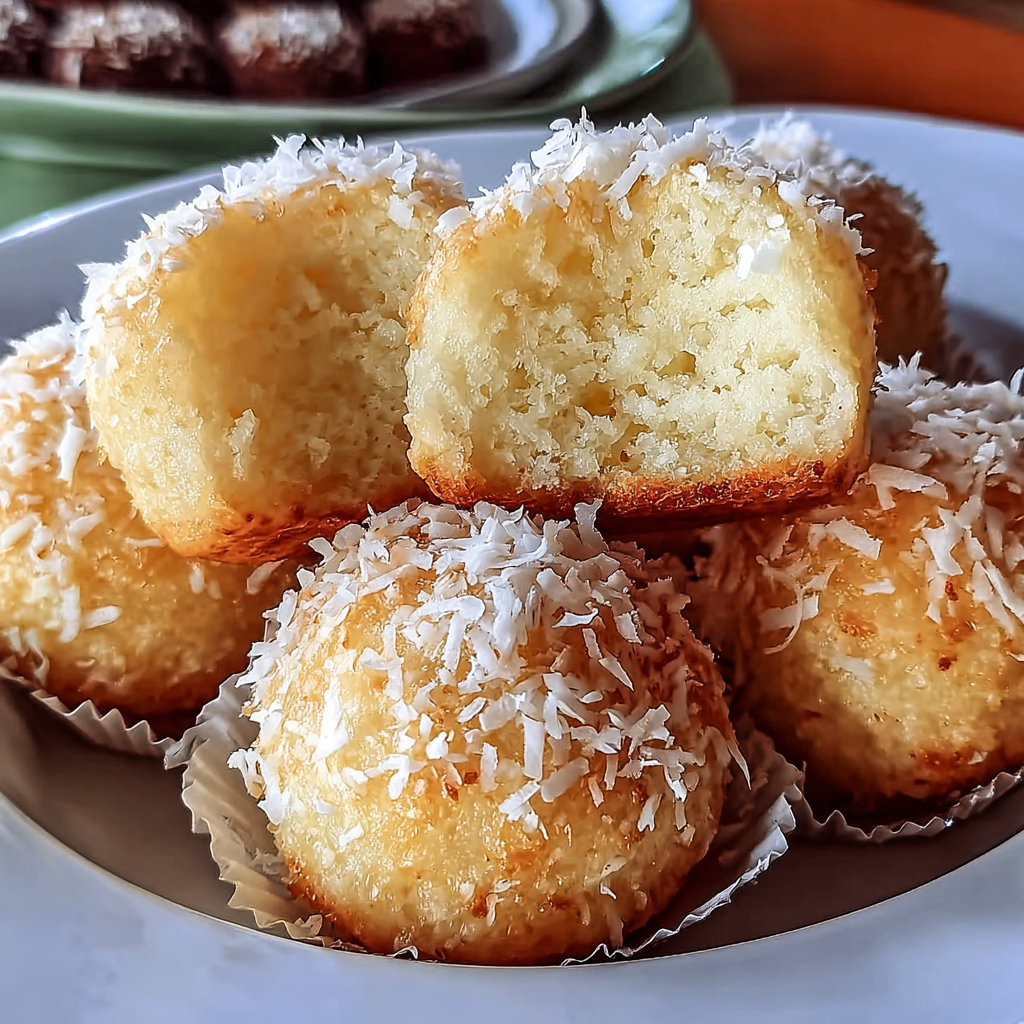
Portuguese coconut cakes, known as 'Queijadas de Coco', embody the essence of comfort food with their delightful balance of sweetness and rich coconut flavor. These little treats are often enjoyed during family gatherings, and their soft, moist texture makes them irresistible.
Traditionally baked throughout Portugal, these cakes are a celebration of simple ingredients that transform into something heavenly. The combination of shredded coconut, eggs, and milk creates a uniquely satisfying experience, perfect for enjoying with a cup of coffee or as an afternoon snack.
Ingredients
- 2 cups shredded coconut
Shredded coconut is the star ingredient that provides both moisture and a tropical flavor. It gives the cakes their distinct texture and contributes to the overall coconut aroma. - 1 cup granulated sugar
Sugar sweetens the cakes and helps create a tender texture. It also promotes browning, adding to the cakes' appealing rustic appearance. - 4 large eggs
Eggs act as a binding agent, providing structure and moisture. They also contribute richness, making the cakes light and fluffy. - 1 cup whole milk
Whole milk enhances the moistness and richness of the cakes. It also aids in mixing the dry ingredients smoothly into the batter. - 1 teaspoon vanilla extract
Vanilla adds a warm, fragrant note, enriching the overall flavor of the cakes. It complements the sweetness of the coconut and sugar. - 1 teaspoon baking powder
Baking powder acts as a leavening agent, helping the cakes rise during baking. It ensures a light and airy texture, preventing them from being dense. - Pinch of salt
Salt balances the sweetness, enhancing the other flavors without making the cakes taste salty. A small amount is crucial for a well-rounded flavor.
Directions & Preparation
Step 1: Preheat your oven to 350°F (175°C).
Preheating the oven ensures that the cakes begin baking immediately once the batter is placed in. This process is vital for achieving an even rise and a well-cooked texture.
Step 2: Grease a muffin tin with butter or cooking spray.
Greasing the muffin tin prevents the cakes from sticking, allowing them to release easily once baked. This step is essential for maintaining the shape and presentation of the cakes.
Step 3: In a large mixing bowl, combine shredded coconut, sugar, and salt.
Mixing the dry ingredients allows for the even distribution of sugar and salt throughout the coconut. This uniform blend ensures every bite is perfectly sweet and flavorful.
Step 4: In a separate bowl, whisk together the eggs, milk, vanilla extract, and baking powder.
Whisking these wet ingredients helps combine them well, which is crucial for a uniform batter. The incorporation of air in this step contributes to the cakes' lightness.
Step 5: Pour the wet mixture into the dry ingredients and stir until just combined.
Stirring only until combined prevents over-mixing, which can lead to tough cakes. The goal is to create a batter that is cohesive while retaining some lumps from the coconut.
Step 6: Spoon the batter into the prepared muffin tin, filling each cup about three-quarters full.
Filling the muffin cups correctly ensures that the cakes have enough room to rise without overflowing. The three-quarters full guideline allows proper baking and even height.
Step 7: Bake for 25 to 30 minutes, or until golden brown and a toothpick comes out clean.
Baking at the right temperature for the appropriate time is vital for achieving the desired crust and moist interior. The toothpick test ensures that the cakes are fully cooked without being dry.
Step 8: Let the cakes cool in the tin for a few minutes, then transfer to a wire rack.
Cooling the cakes in the tin allows them to set properly before transferring, which helps prevent breakage. Moving them to a wire rack promotes even cooling, which is important for texture.

A Brief History of Queijadas de Coco
Queijadas de Coco have traditional roots in Portugal, particularly in the Azores and Madeira. These cakes reflect the simplicity and resourcefulness of Portuguese baking, where basic ingredients are transformed into delightful confections. Over generations, families have passed down cherished recipes, leading to regional variations that highlight local flavors and preferences.
Variations on the Classic Recipe
While the classic Queijadas de Coco is adored for its purity of flavors, many bakers enjoy experimenting with the recipe by adding ingredients like lemon zest or cinnamon for a new twist. Incorporating chocolate chips or nut toppings can also offer exciting texture contrasts and flavors, catering to individual tastes while remaining true to the essence of these beloved cakes.
Serving Suggestions for Every Occasion
Heavenly Portuguese Coconut Cakes are wonderfully versatile in their pairing options. They shine as an afternoon snack alongside a cup of coffee or tea. For celebratory events, they can be beautifully garnished with whipped cream and fresh fruit. They also make a charming addition to dessert tables at parties, inviting guests to enjoy a taste of Portugal in every bite.
FAQs
What if my cakes turn out too sweet?
If the cakes are overly sweet, consider reducing the sugar in the batter for your next batch. Additionally, serving them with a lightly bitter coffee can balance the sweetness.
Can I use dried coconut instead of fresh?
Yes, dried coconut can be used, but be sure to rehydrate it with some warm water before mixing it into the batter. This will help prevent a dry texture in the final cake.
What should I do if my cakes are too dense?
If your cakes are dense, it could be due to over-mixing the batter or an incorrect baking temperature. Ensure you mix just until combined and verify your oven's temperature with an oven thermometer.
How do I know when the cakes are done without cutting them?
Look for a golden brown color on the tops and a toothpick inserted in the center should come out clean or with a few moist crumbs. These are good indicators that they are fully baked.
Can I adjust the recipe to make more cakes?
Absolutely! This recipe can be doubled easily. Just ensure you have a larger mixing bowl and enough muffin tins to accommodate all the batter.
What can I do if my cakes stick to the muffin tin?
If the cakes stick, consider using a bit more grease next time or lining the tin with cupcake liners for easier removal. Letting them cool for a few minutes helps as well.
Conclusion
Heavenly Portuguese Coconut Cakes are truly a culinary delight that combines tradition and flavor in each bite. They are perfect for any occasion, whether it's a cozy family gathering or a festive celebration.
As you bake these little treasures, remember that the joy of cooking is found in the process as much as the results. So, gather your ingredients, enjoy the aroma that fills your kitchen, and share the joy of these cakes with your loved ones.
Recipe Card
Delightful Portuguese Coconut Cakes to Savor
Ingredients
- 2 cups shredded coconut
- 1 cup granulated sugar
- 4 large eggs
- 1 cup whole milk
- 1 teaspoon vanilla extract
- 1 teaspoon baking powder
- Pinch of salt
Instructions
- Preheat your oven to 350°F (175°C).
- Grease a muffin tin with butter or cooking spray.
- In a large mixing bowl, combine shredded coconut, sugar, and salt.
- In a separate bowl, whisk together the eggs, milk, vanilla extract, and baking powder.
- Pour the wet mixture into the dry ingredients and stir until just combined.
- Spoon the batter into the prepared muffin tin, filling each cup about three-quarters full.
- Bake for 25 to 30 minutes, or until golden brown and a toothpick comes out clean.
- Let the cakes cool in the tin for a few minutes, then transfer to a wire rack.
Notes
Additional serving suggestions: pair with a crisp salad, garlic bread, or roasted seasonal vegetables for balance.
For make-ahead, prep components separately and assemble just before heating to preserve texture.
Taste and adjust with acid (lemon/vinegar) and salt right at the end to wake up flavors.