Introduction
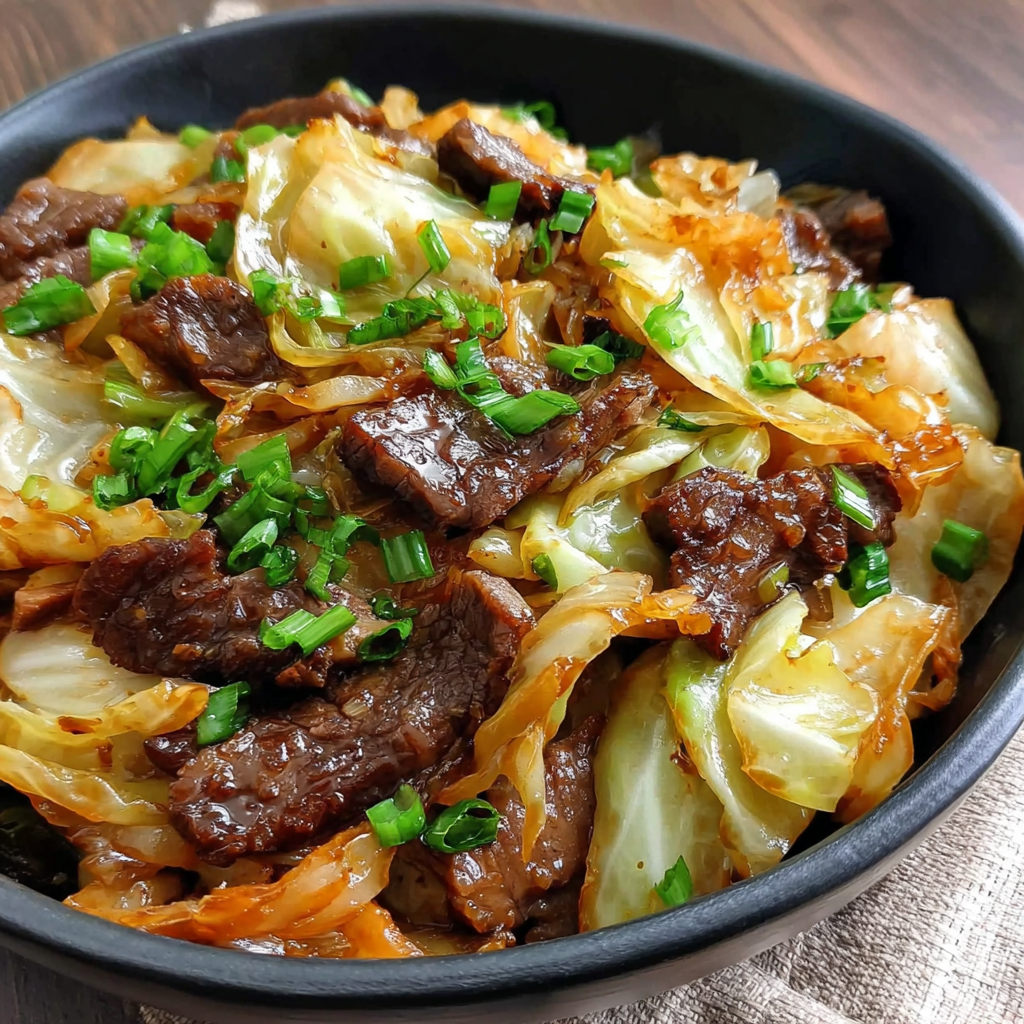
Mongolian Beef is a beloved dish renowned for its melding of flavors and textures. However, adding cabbage elevates this classic even further, blending its crunch with the tender beef and a sweet-savory sauce. This combination not only enhances nutrition but adds a delightful crunch, making every bite interesting.
In this version, the robust flavors of the beef intertwine with the subtle sweetness of cabbage, creating a harmony that's both comforting and satisfying. Whether enjoyed atop a bed of rice or on its own, this dish is sure to impress at any dinner table.
Let’s dive into the process of crafting this delicious Mongolian Beef & Cabbage dish—it's simpler than you might think and perfect for any home cook looking to experiment with bold flavors.
Ingredients
- 1 lb flank steak, sliced thinly
Flank steak is flavorful and tender when cooked correctly. Its thin slicing allows it to absorb the sauce well and ensures quick cooking, maintaining its juiciness. - 1/2 head of green cabbage, thinly sliced
Adding cabbage introduces a crunchy texture that contrasts beautifully with the tender meat. It also provides fiber and nutrients, enhancing the dish's nutritional profile. - 3 tablespoons soy sauce
Soy sauce is essential for imparting umami flavor to the dish. It also provides the necessary saltiness that complements the sweet elements in the sauce. - 1 tablespoon hoisin sauce
Hoisin sauce adds depth and a touch of sweetness, balancing the savory notes from the soy sauce. It contributes to the overall complexity of the flavor. - 2 tablespoons brown sugar
Brown sugar helps caramelize the meat while adding a slight molasses flavor that deepens the sauce's sweetness, enhancing the overall taste experience. - 1 tablespoon cornstarch
Cornstarch is key to thickening the sauce, creating a silky texture that clings to the beef and cabbage. It also helps in achieving a nice sear on the meat. - 2 tablespoons vegetable oil
Vegetable oil is used for frying the beef, allowing it to reach high temperatures without burning. It also prevents the meat from sticking to the pan. - 2-3 green onions, chopped
Green onions add a fresh and slightly spicy element to the dish, providing color and enhancing the flavor profile with their sharpness. - 3 cloves garlic, minced
Garlic contributes aromatic flavors that seep into the beef and sauce, elevating the overall taste of the dish with its warm, pungent notes. - 1 teaspoon ginger, minced
Ginger adds a zesty warmth, complementing the sweetness from the hoisin and brown sugar while helping to balance the savory flavors.
Directions & Preparation
Step 1: Marinate the beef in soy sauce and cornstarch for 15-30 minutes.
This step is crucial as it allows the beef to absorb the flavors of the soy sauce while the cornstarch helps tenderize it. The marination time can vary; a longer soak will enhance flavor and tenderness, making every bite delectable. If you're short on time, even 15 minutes will yield decent results.
Step 2: Heat vegetable oil in a large skillet over medium-high heat.
Warming the oil properly is key to achieving a good sear on the beef. The oil should shimmer but not smoke; this indicates it’s hot enough to quickly brown the meat, locking in juices and preventing it from becoming tough. Using a wide skillet ensures ample space to cook all beef at once.
Step 3: Add the marinated flank steak to the skillet in a single layer.
Avoid crowding the pan to ensure the meat sears rather than steams. By placing the steak in a single layer, you allow each slice to develop a beautiful brown crust, enhancing both flavor and texture. Cook for about 3-4 minutes, flipping once, until it's browned but not fully cooked through.
Step 4: Remove beef from the skillet and set aside, leaving the drippings.
Retaining the drippings in the pan is crucial for maintaining flavor in the dish. Those browned bits, or fond, are packed with taste and will meld into the sauce, enhancing the dish's overall depth. Set the beef aside while we shift focus to the vegetables.
Step 5: Add minced garlic, ginger, and green onions to the skillet.
These aromatic ingredients will fill your kitchen with delightful scents. Cooking them briefly releases their oils and flavors, setting the foundation for the sauce. Be careful not to burn them; cook until fragrant, which should take about 30 seconds to a minute.
Step 6: Stir in the cabbage and cook until wilted but still crisp.
This step ensures that the cabbage softens slightly while retaining its crunch, providing an excellent textural contrast to the tender beef. Continuous stirring is essential here; it helps evenly cook the cabbage while ensuring it doesn’t become too soggy.
Step 7: Combine soy sauce, hoisin sauce, brown sugar, and some water in a bowl.
Mixing these ingredients creates a balanced sauce that combines sweet, salty, and savory notes. Adjust the ratio according to your taste preference; if you enjoy a richer flavor, lean more on the soy sauce and hoisin. This should be done while the vegetables are cooking to streamline the process.
Step 8: Return the beef to the skillet and pour the sauce over everything.
Adding the beef back and pouring the sauce allows the flavors to meld beautifully, coating each ingredient and rounding out the dish. Stir to combine and let everything simmer for a few minutes, allowing the sauce to thicken and the beef to cook through.
Step 9: Serve warm, garnished with extra green onions.
Serving the dish warm ensures that the flavors are at their peak and the textures remain delightful. The extra green onions make for a fresh garnish, adding a pop of color and an additional layer of flavor. Pair this dish with rice or noodles to soak up the delicious sauce!

Why Flank Steak Works Wonders
Flank steak is an excellent choice for this dish due to its lean nature and rich flavor. Its long fibers allow it to absorb marinades well, making it particularly tasty when cooked with sauces. When sliced against the grain, flank steak converts into tender pieces, yielding a satisfying chew that complements the smooth sauce beautifully.
The Role of Cabbage: More Than Just a Vegetable
Incorporating cabbage not only adds a pleasing crunch but also improves nutrition, being a good source of vitamins K and C. It absorbs the savory flavors of the sauce while maintaining a fresh taste. The natural sweetness of cooked cabbage offers another layer to the flavor profile—transforming a traditional dish into a vibrant feast of tastes.
Balancing Flavors in Mongolian Beef
Creating the perfect balance of sweet and savory is key to mastering Mongolian Beef. The combination of soy sauce, hoisin sauce, and brown sugar creates a multi-dimensional sauce. Taste as you go; adjusting the levels of each component can address personal flavor preferences and balances that may make the final dish even more delightful.
FAQs
What can I do if my sauce is too thick?
If your sauce becomes too thick, simply add a small amount of water or broth and stir it in until you reach your desired consistency. Make sure to do this while the dish is simmering to allow the flavors to meld.
My Mongolian Beef turned out bland; what happened?
If your dish lacks flavor, consider adjusting the proportion of soy sauce and hoisin sauce to enhance its savory and sweet notes. Additionally, ensure your marinade time is sufficient for maximum flavor absorption.
Can I substitute flank steak with another cut of beef?
Absolutely! While flank steak is recommended, cuts like sirloin or skirt steak can also work well. Just keep in mind that cooking times might vary, so adjust accordingly to prevent overcooking.
How can I make the dish more spicy?
To introduce heat, consider adding red pepper flakes or sliced fresh chili peppers while sautéing the onions and garlic. Adjust the amount based on your spice tolerance for a truly personalized dish.
What if I overcooked the beef?
If the beef becomes tough from overcooking, try adding a bit more sauce during the final cooking stage to help moisten it. Nonetheless, careful timing is essential as beef cooks quickly!
Could I add more vegetables to this recipe?
Certainly! Bell peppers, snow peas, or carrots would make great additions. Just ensure they complement the cooking time of the cabbage so that everything comes out tender but still crisp.
Conclusion
Mongolian Beef & Cabbage is a vibrant, simple dish that combines rich flavors and textures to create a meal that feels indulgent yet is easy to prepare. It’s an excellent choice for a weeknight dinner or a special occasion when you want to impress.
As you experiment with this dish, feel free to adjust the flavor profile, making it your own. Whether it's the balance between sweet and savory or experimenting with different vegetables, the possibilities are endless. Happy cooking!
Recipe Card
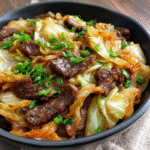
Savory Mongolian Beef with Refreshing Cabbage Twist
Ingredients
- 1 lb flank steak sliced thinly
- 1/2 head of green cabbage thinly sliced
- 3 tablespoons soy sauce
- 1 tablespoon hoisin sauce
- 2 tablespoons brown sugar
- 1 tablespoon cornstarch
- 2 tablespoons vegetable oil
- 2-3 green onions chopped
- 3 cloves garlic minced
- 1 teaspoon ginger minced
Instructions
- Marinate the beef in soy sauce and cornstarch for 15-30 minutes.
- Heat vegetable oil in a large skillet over medium-high heat.
- Add the marinated flank steak to the skillet in a single layer.
- Remove beef from the skillet and set aside, leaving the drippings.
- Add minced garlic, ginger, and green onions to the skillet.
- Stir in the cabbage and cook until wilted but still crisp.
- Combine soy sauce, hoisin sauce, brown sugar, and some water in a bowl.
- Return the beef to the skillet and pour the sauce over everything.
- Serve warm, garnished with extra green onions.
Notes
Additional serving suggestions: pair with a crisp salad, garlic bread, or roasted seasonal vegetables for balance.
For make-ahead, prep components separately and assemble just before heating to preserve texture.
Taste and adjust with acid (lemon/vinegar) and salt right at the end to wake up flavors.